
Standing Before Brâncuși
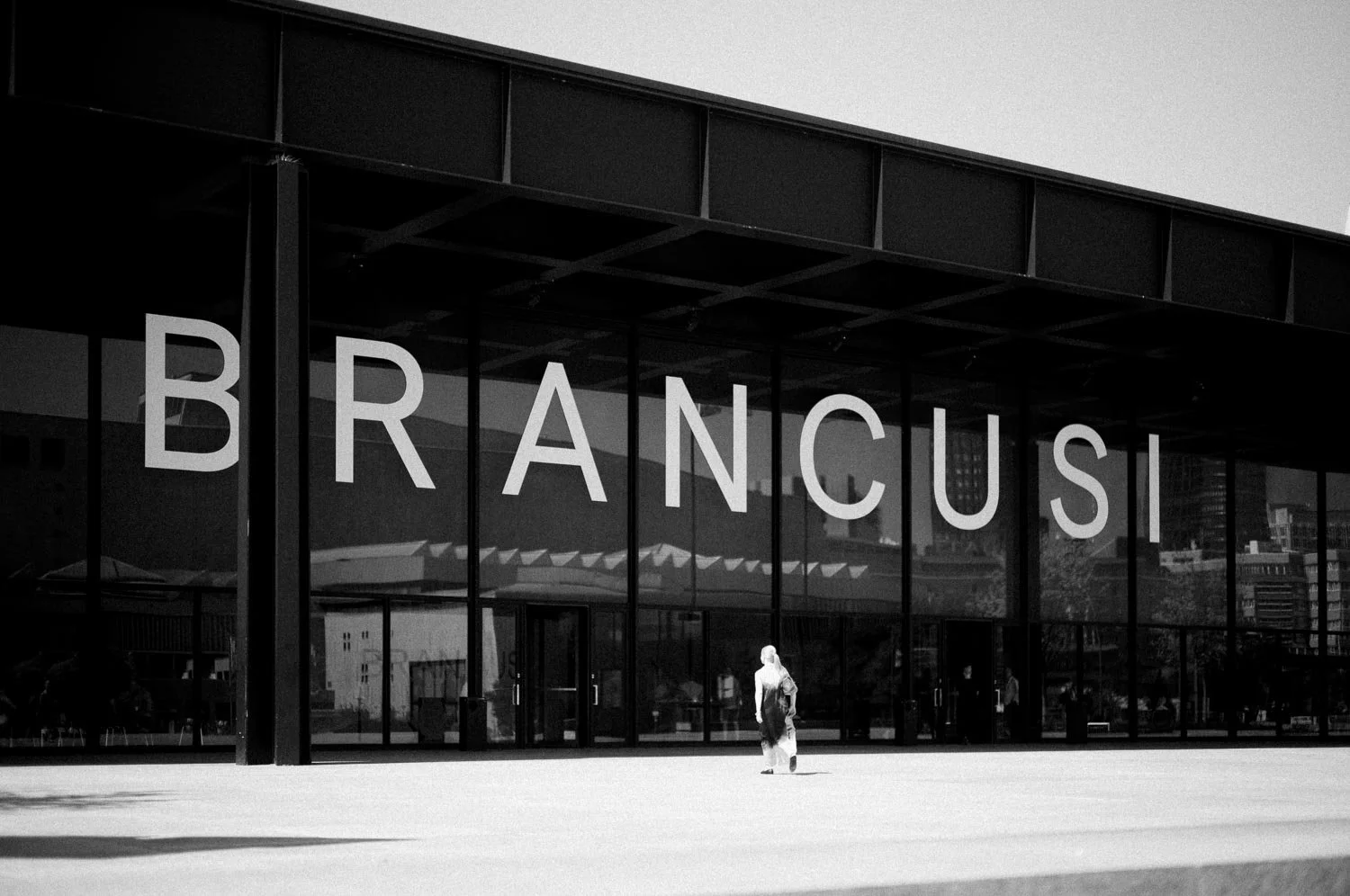
When we speak about Constantin Brâncuși, we are not simply speaking about one of Romania's greatest artists. We are speaking about one of the defining sculptors of modern civilization; an artist whose influence forever changed the language of sculpture.
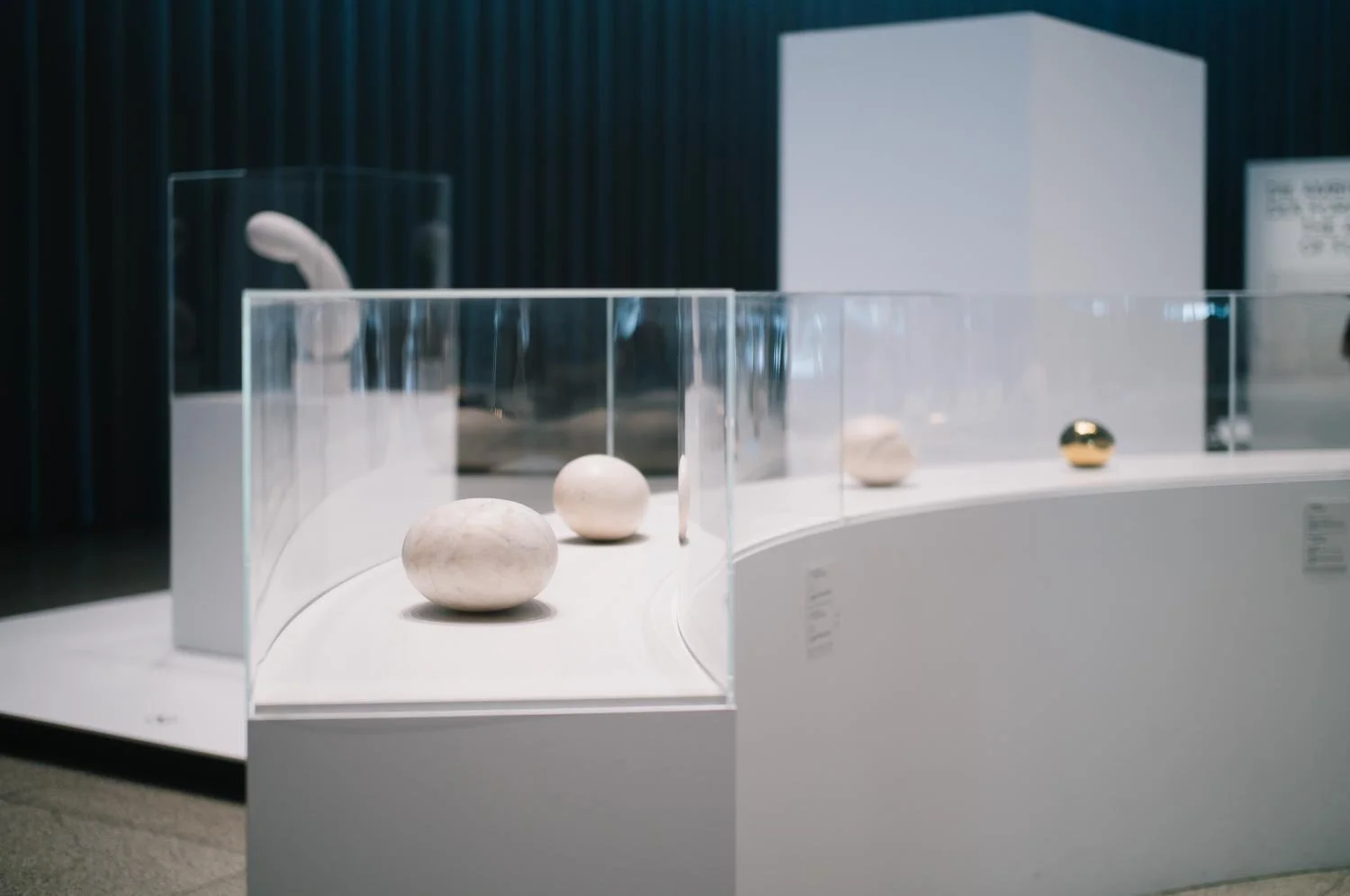
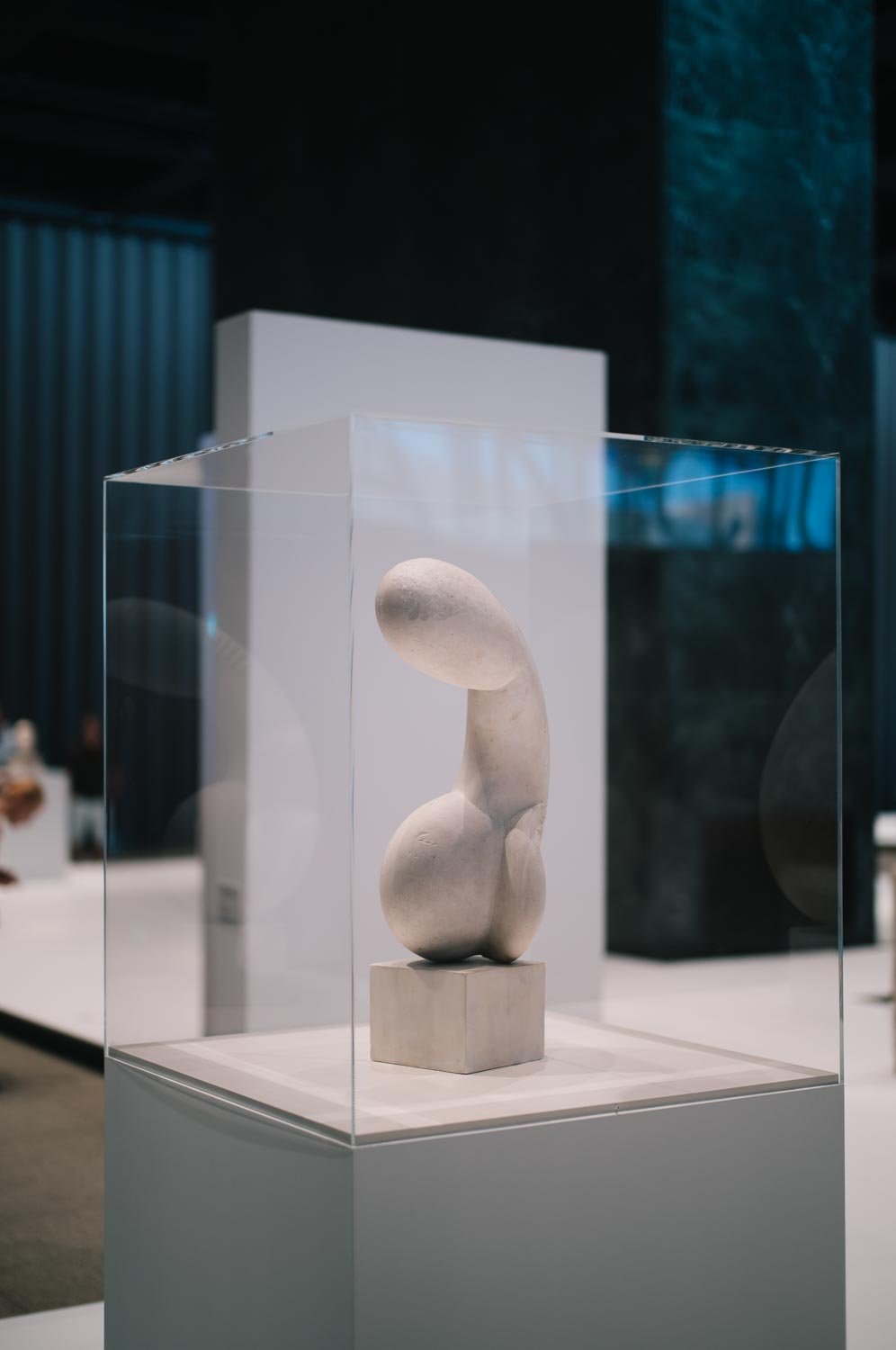
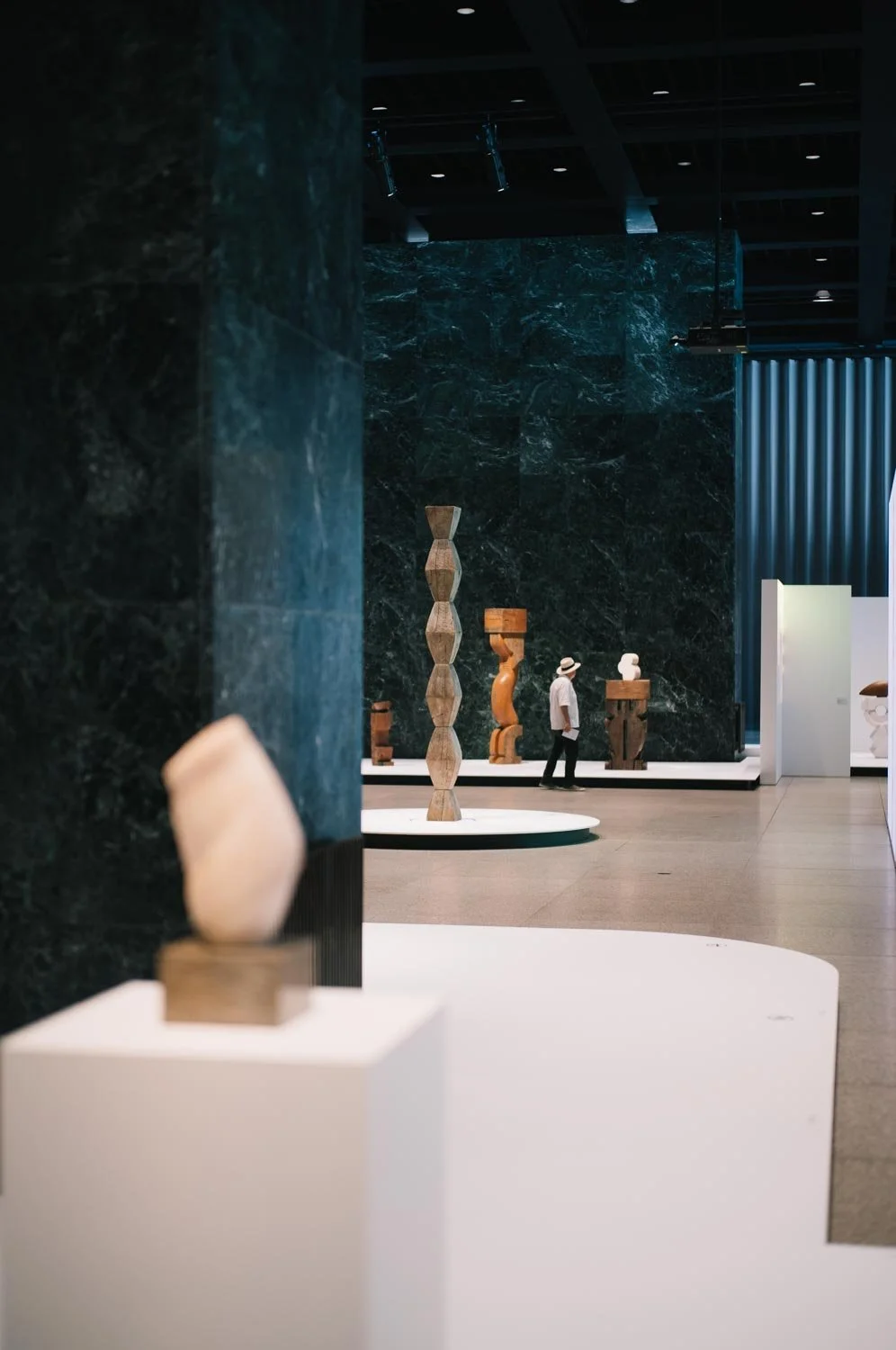
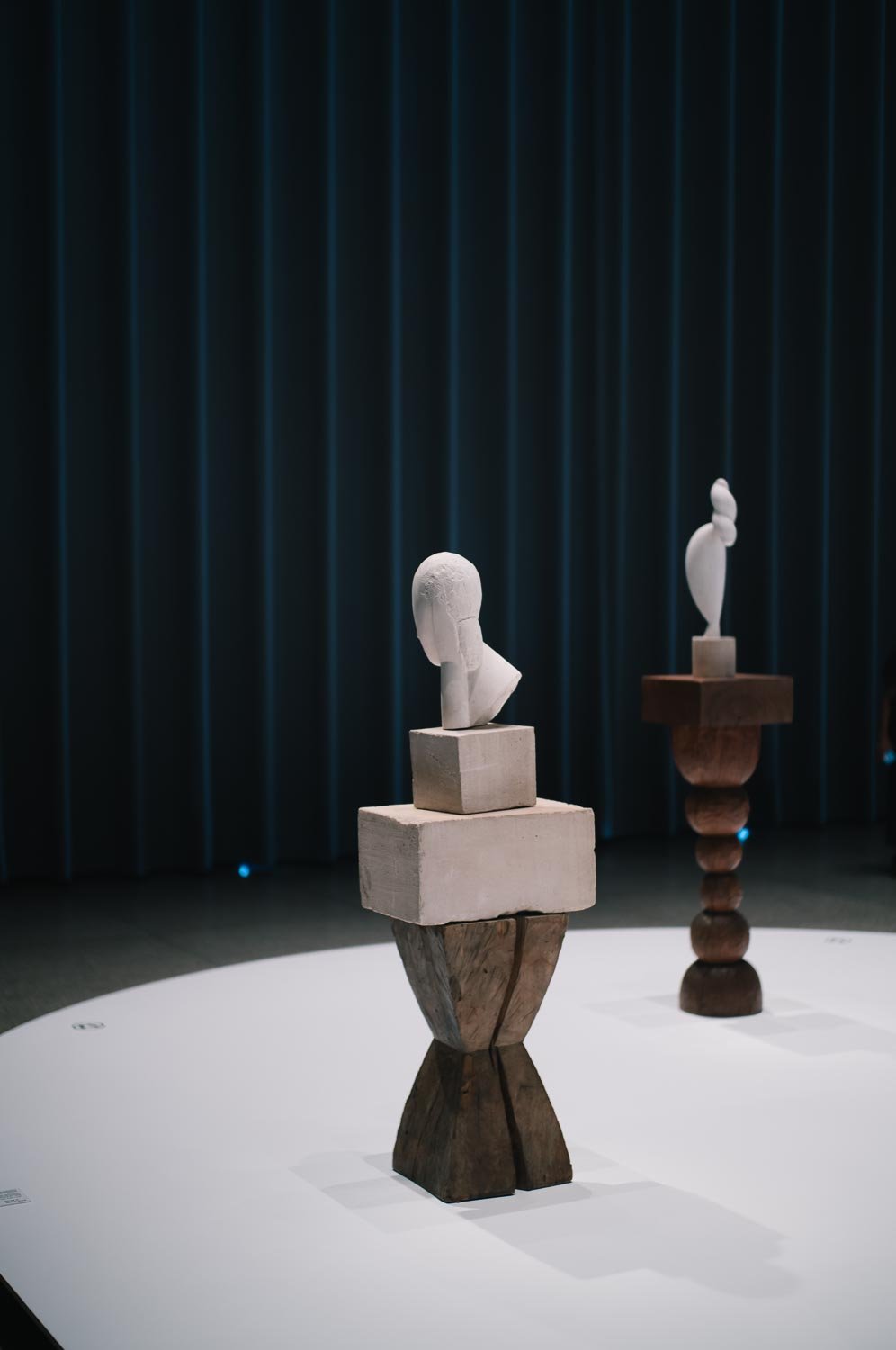
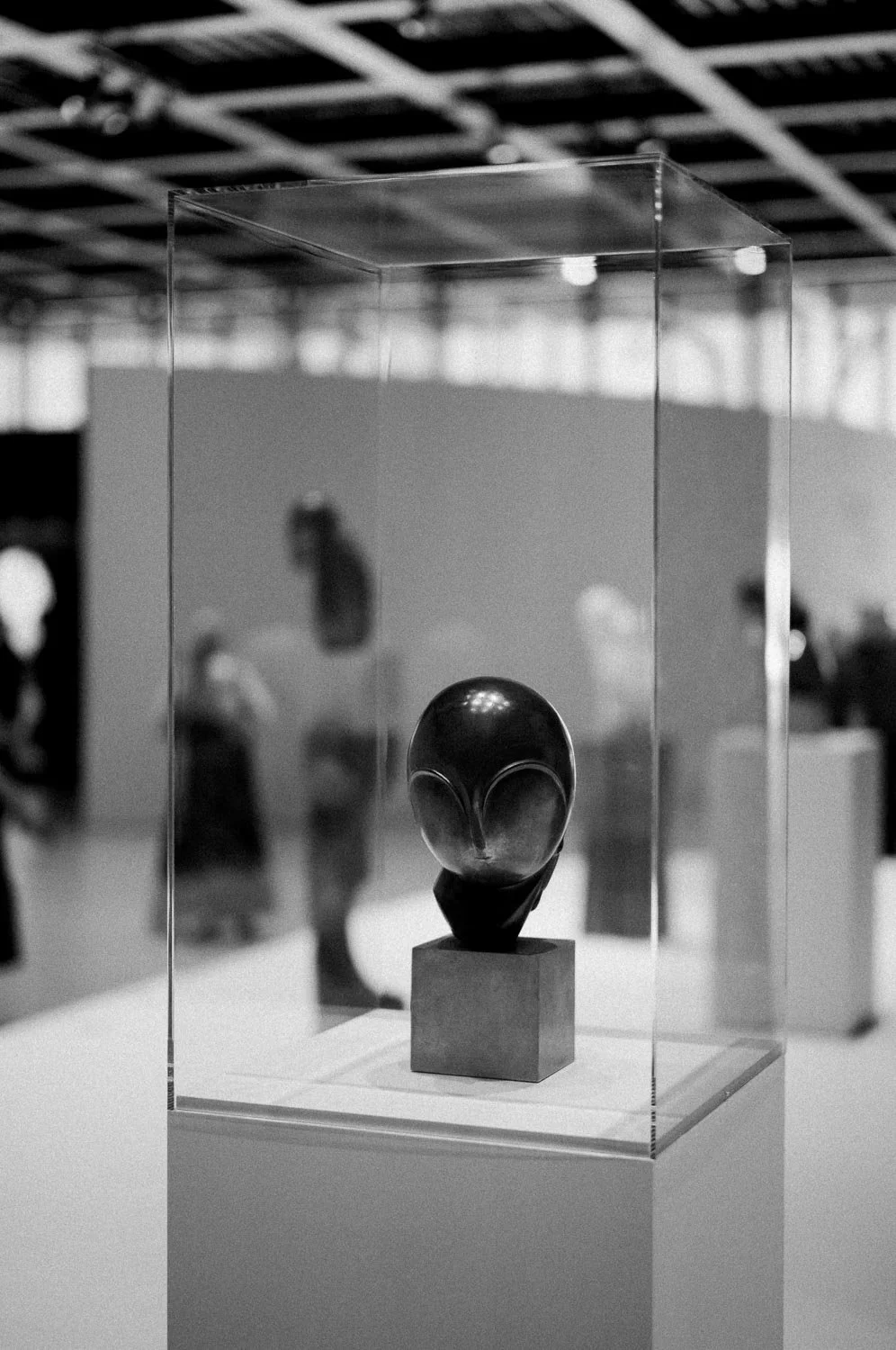
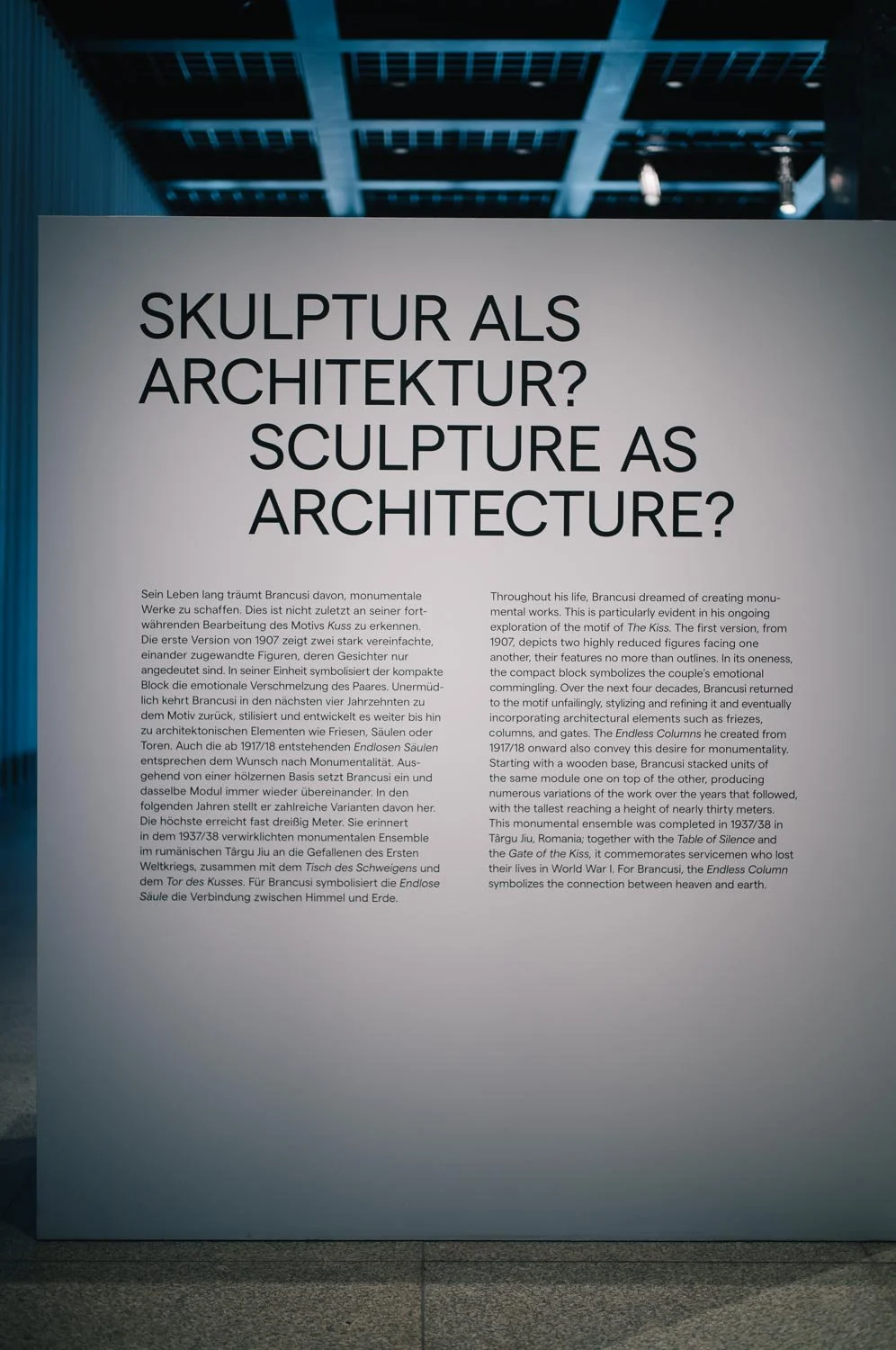
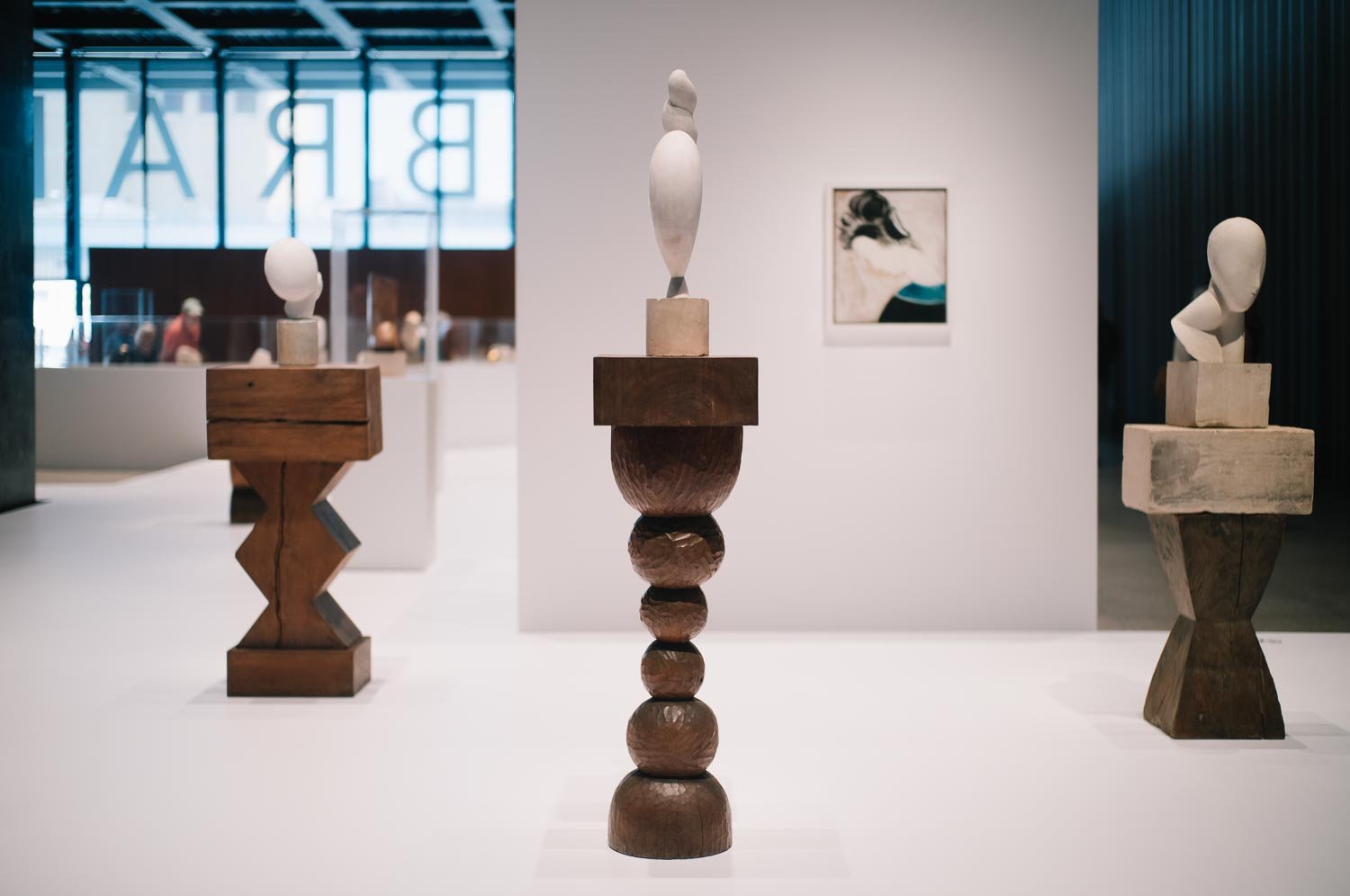
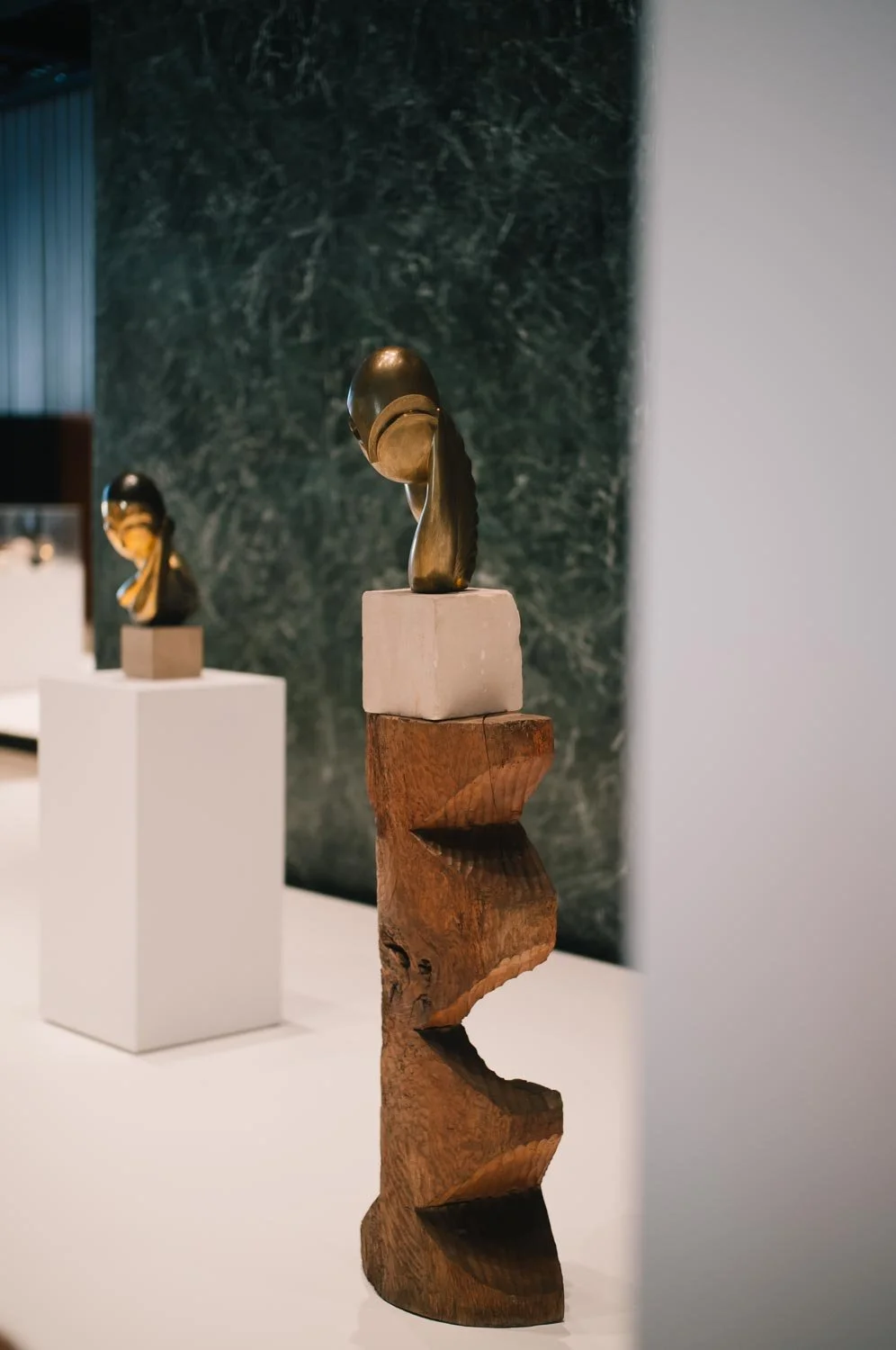
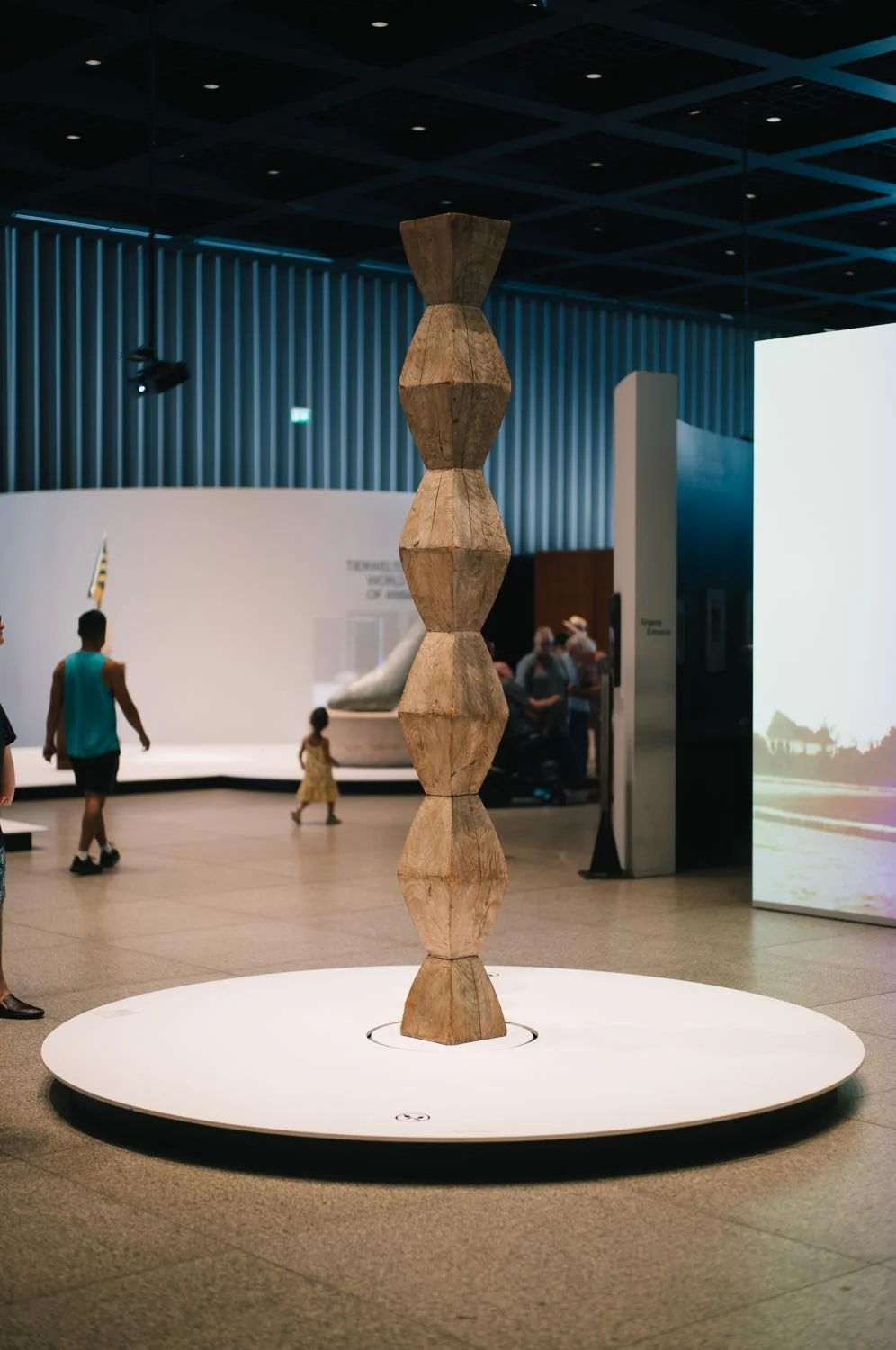
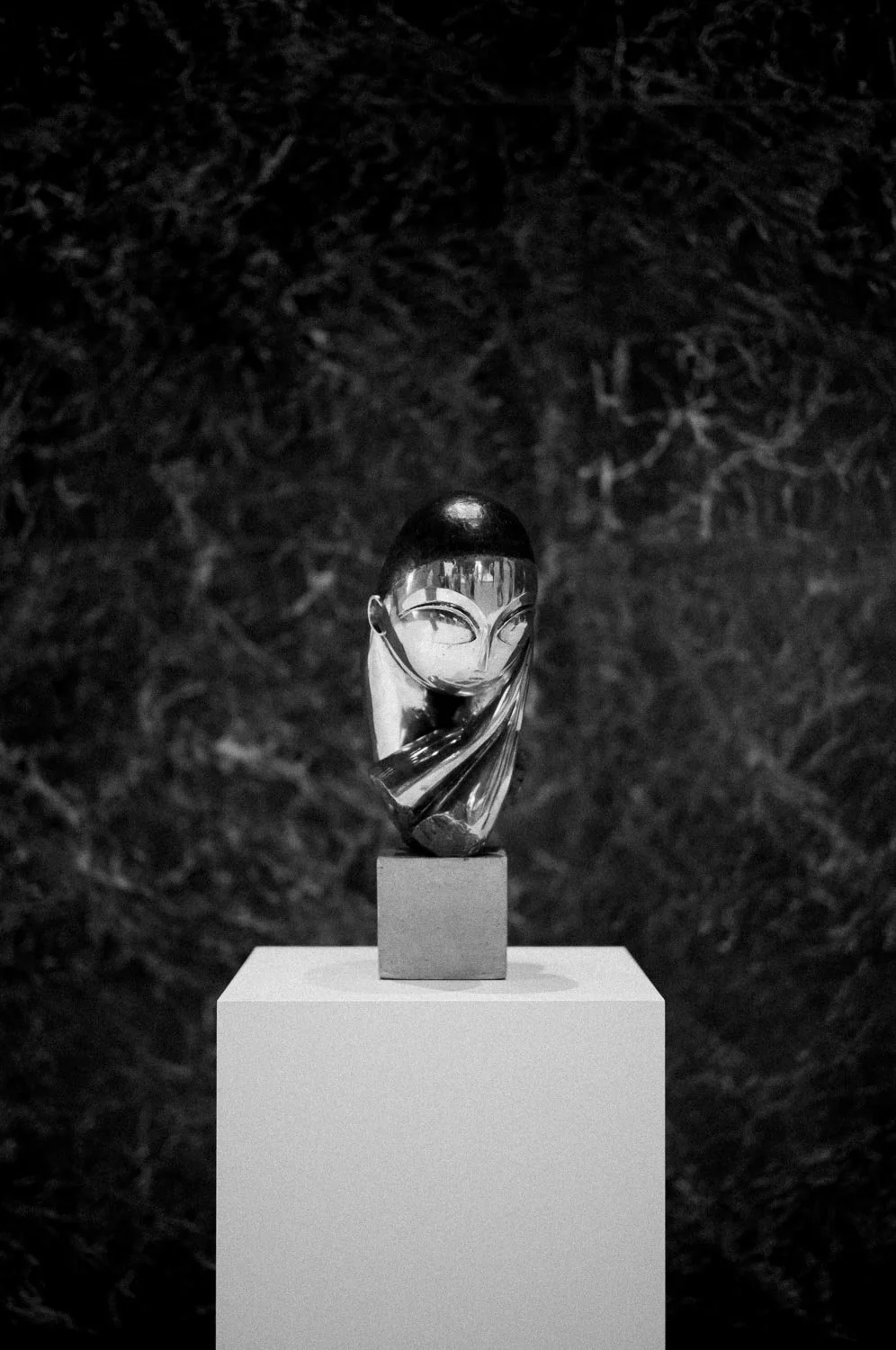
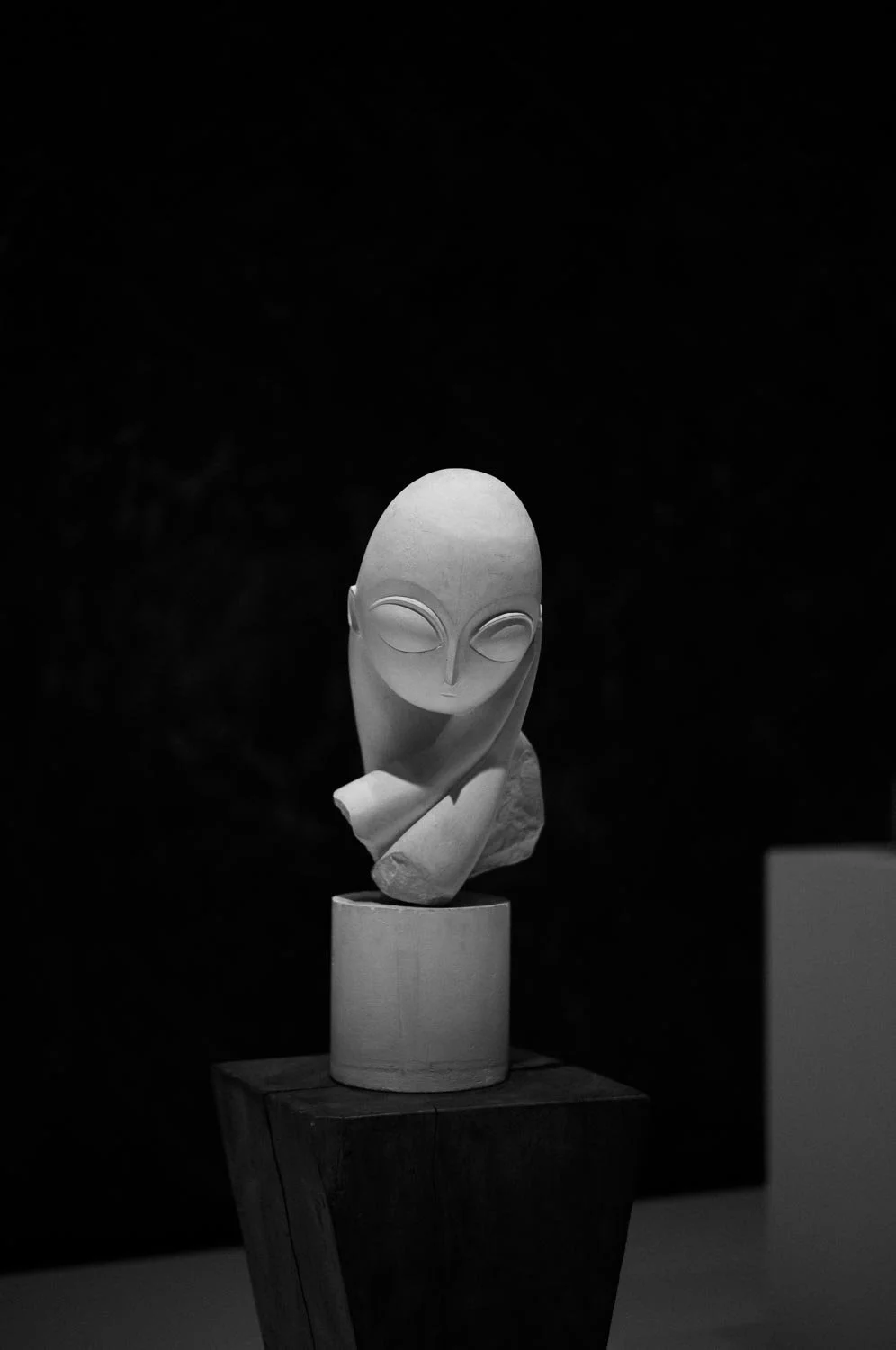
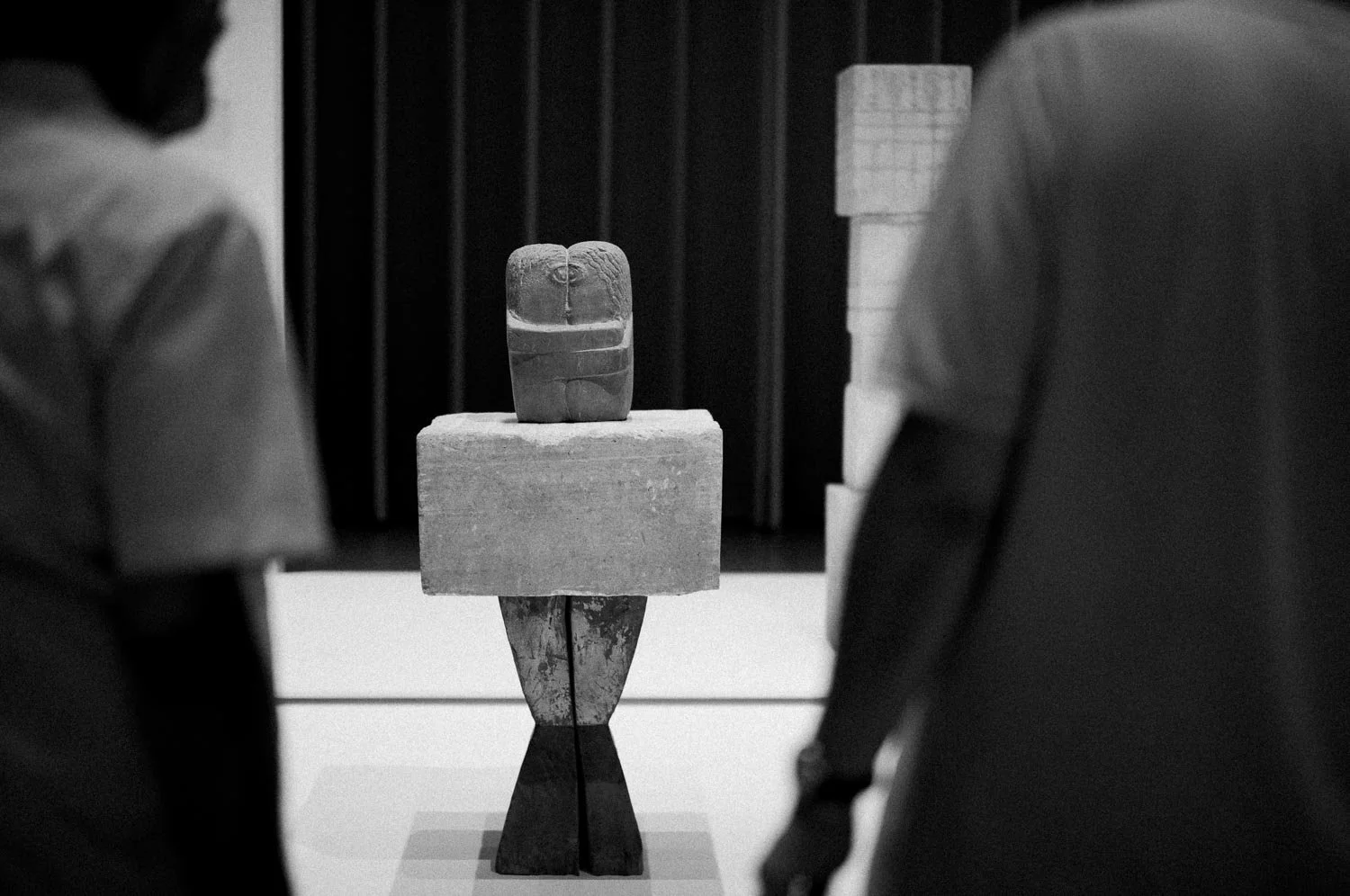
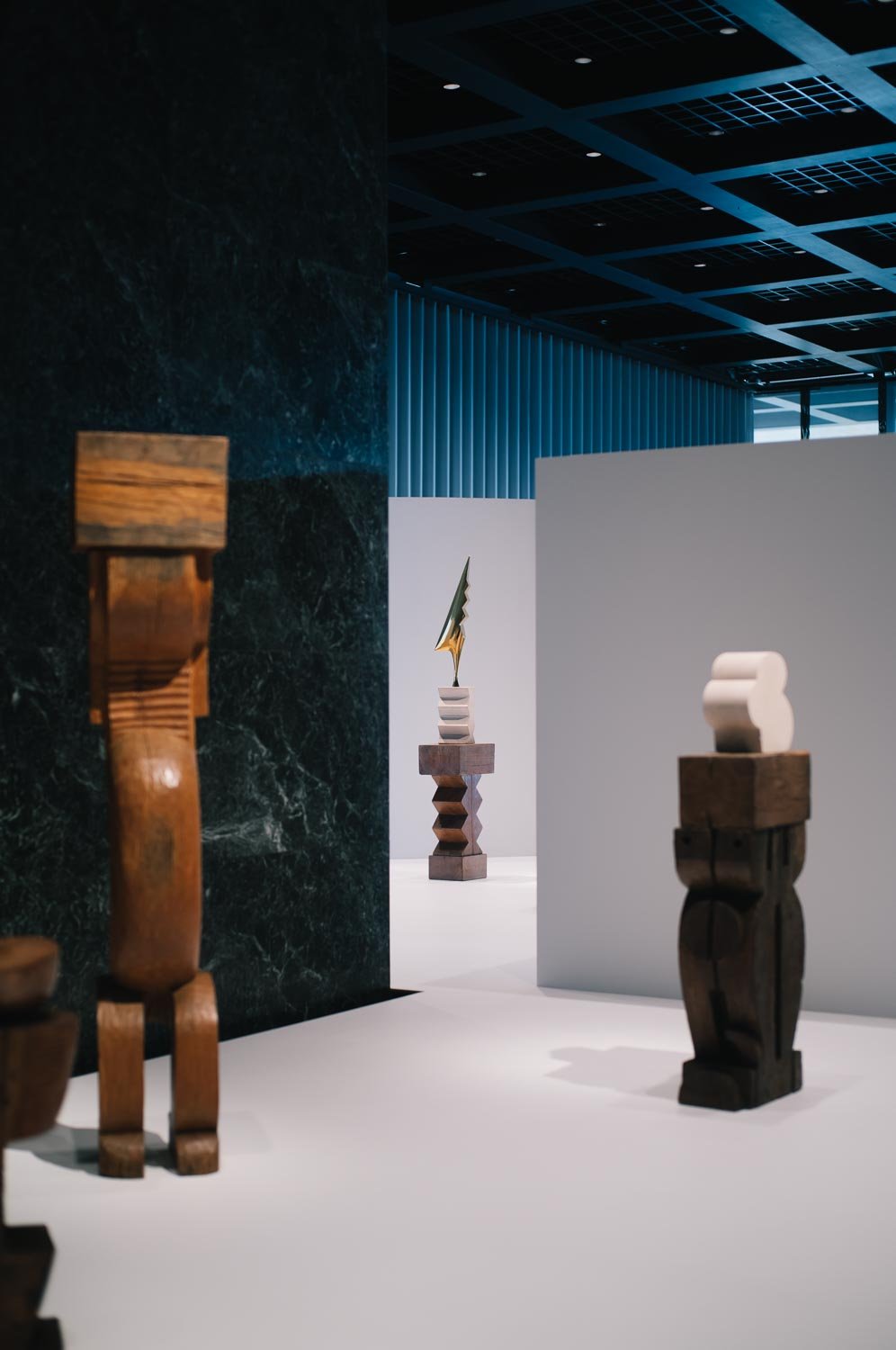
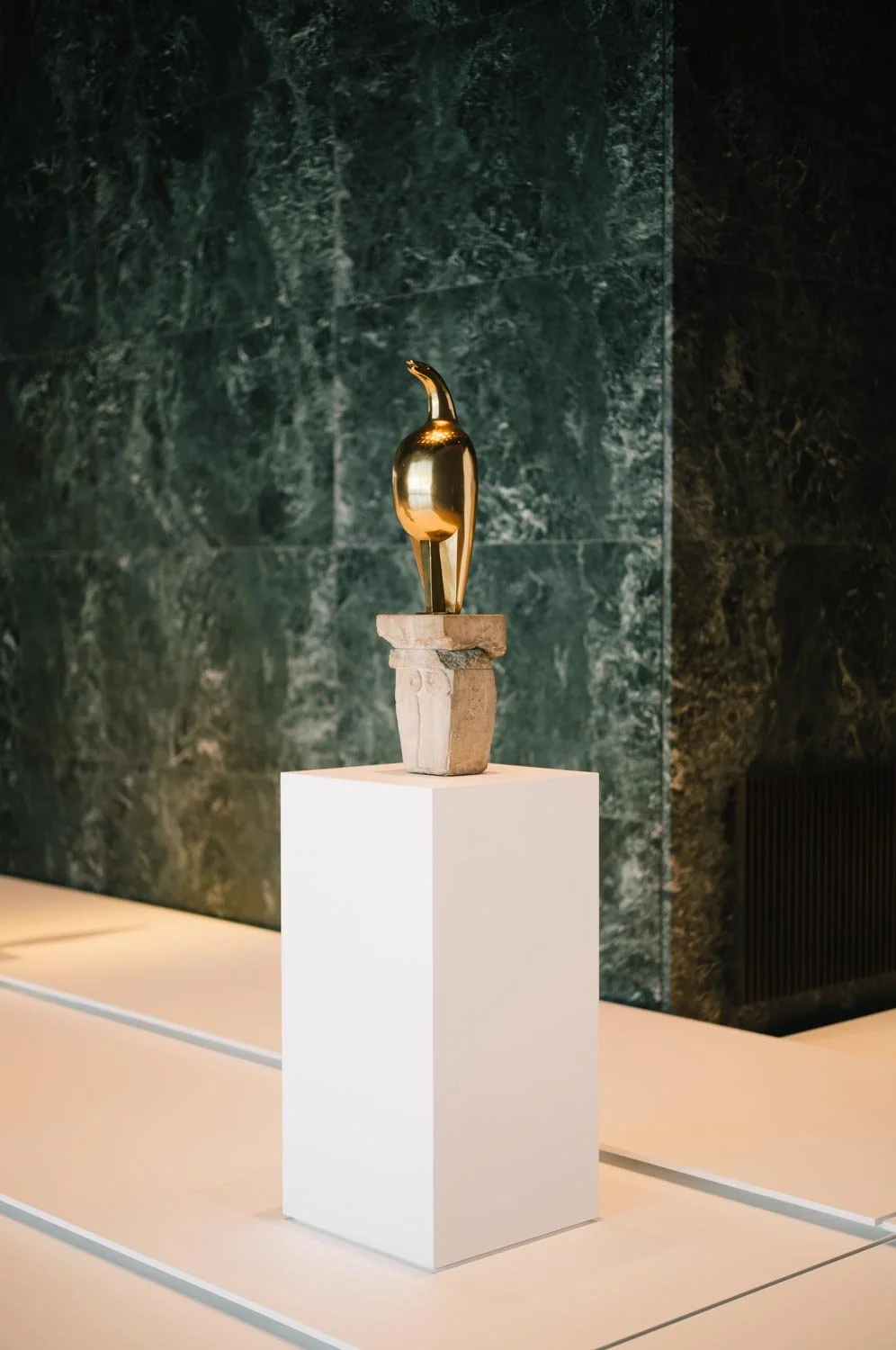
Born in the small village of Hobița and educated in Craiova and later Bucharest, Brâncuși eventually set his sights on Paris, then the undisputed capital of the art world. Much of his journey across Europe was made on foot, driven more by determination than by means. After arriving in France, he briefly worked in Auguste Rodin's studio, but left after only a short time, convinced that, as he famously said,
"Nothing can grow in the shadow of a great tree."
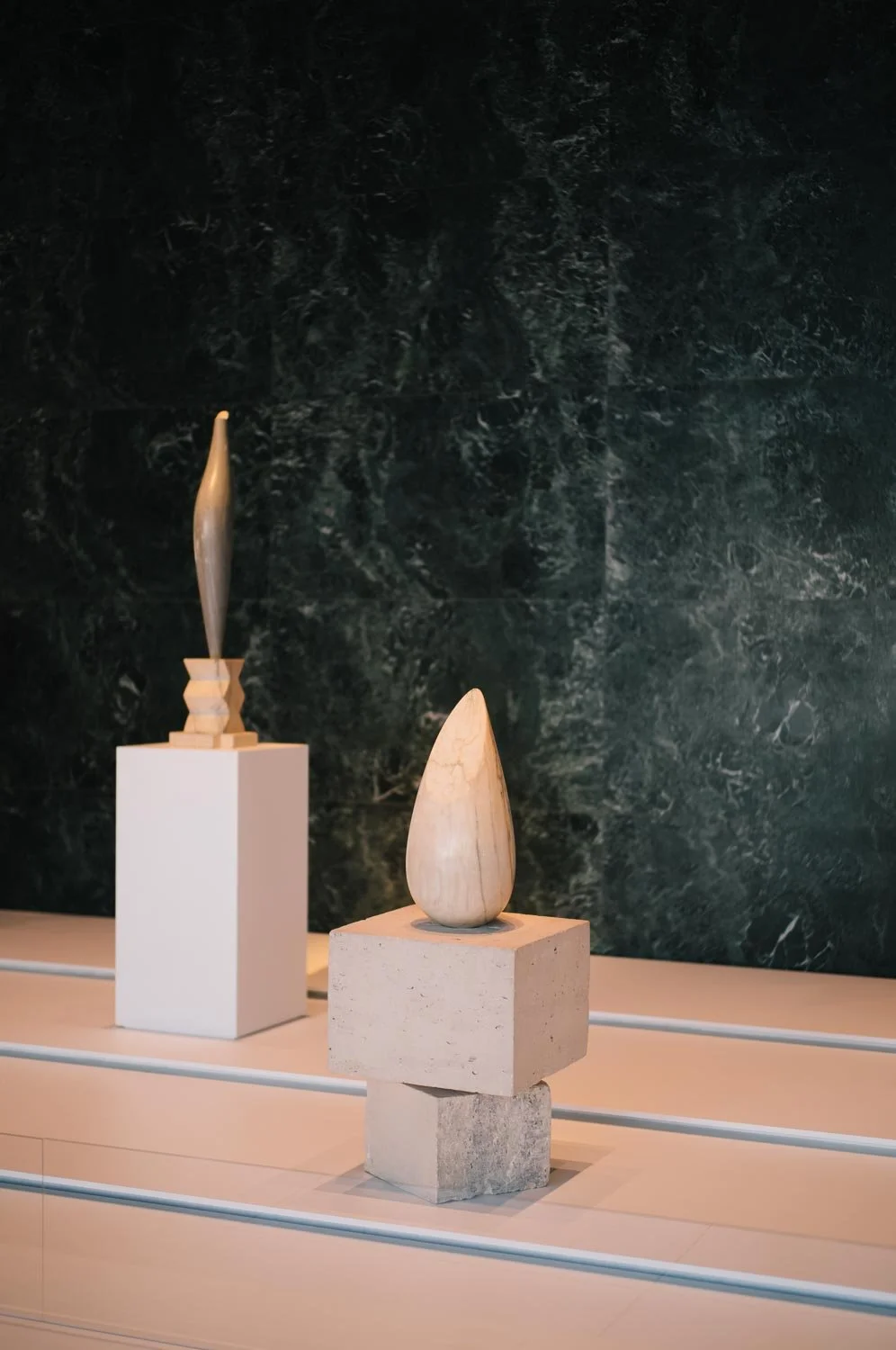
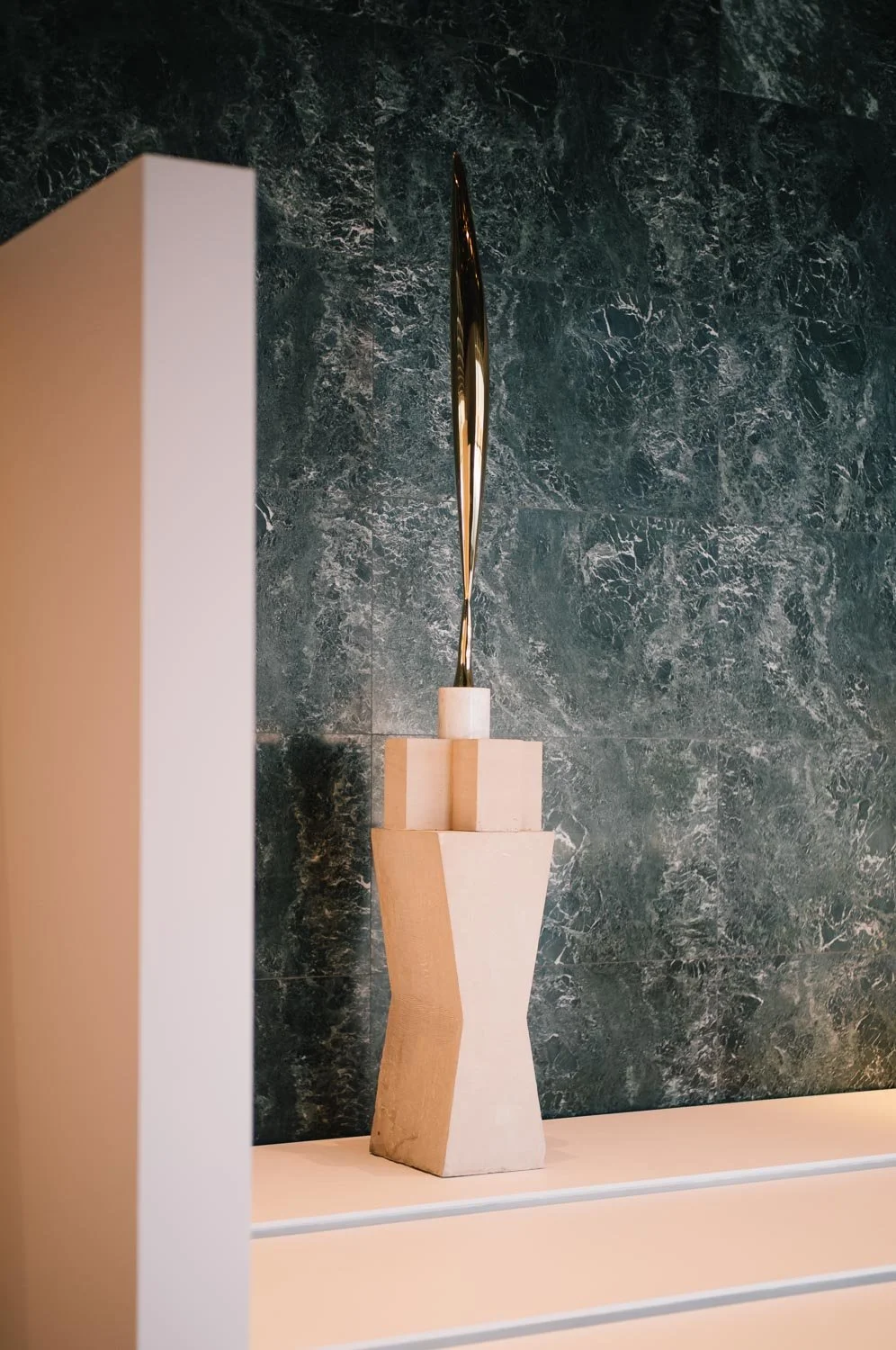
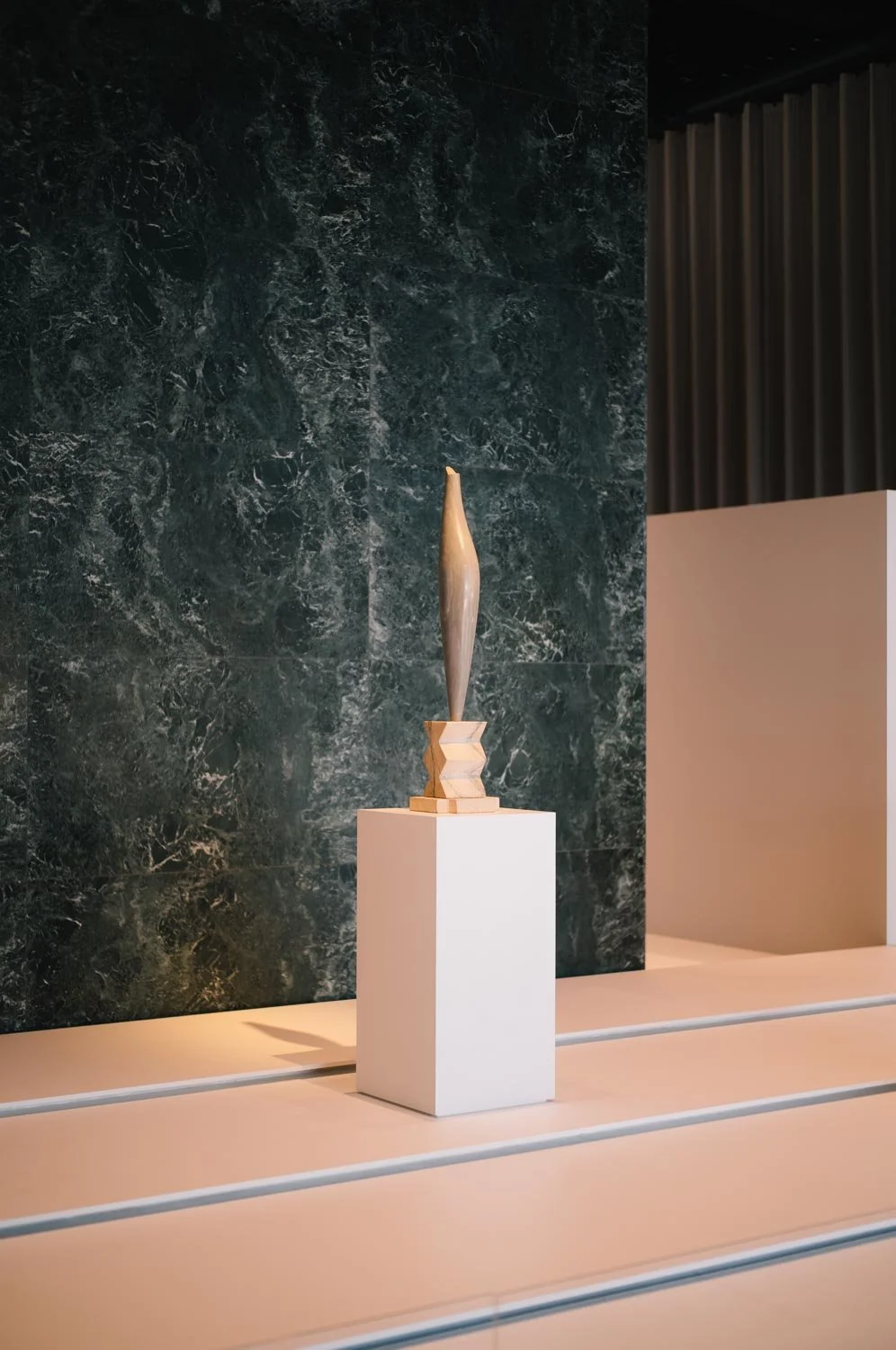
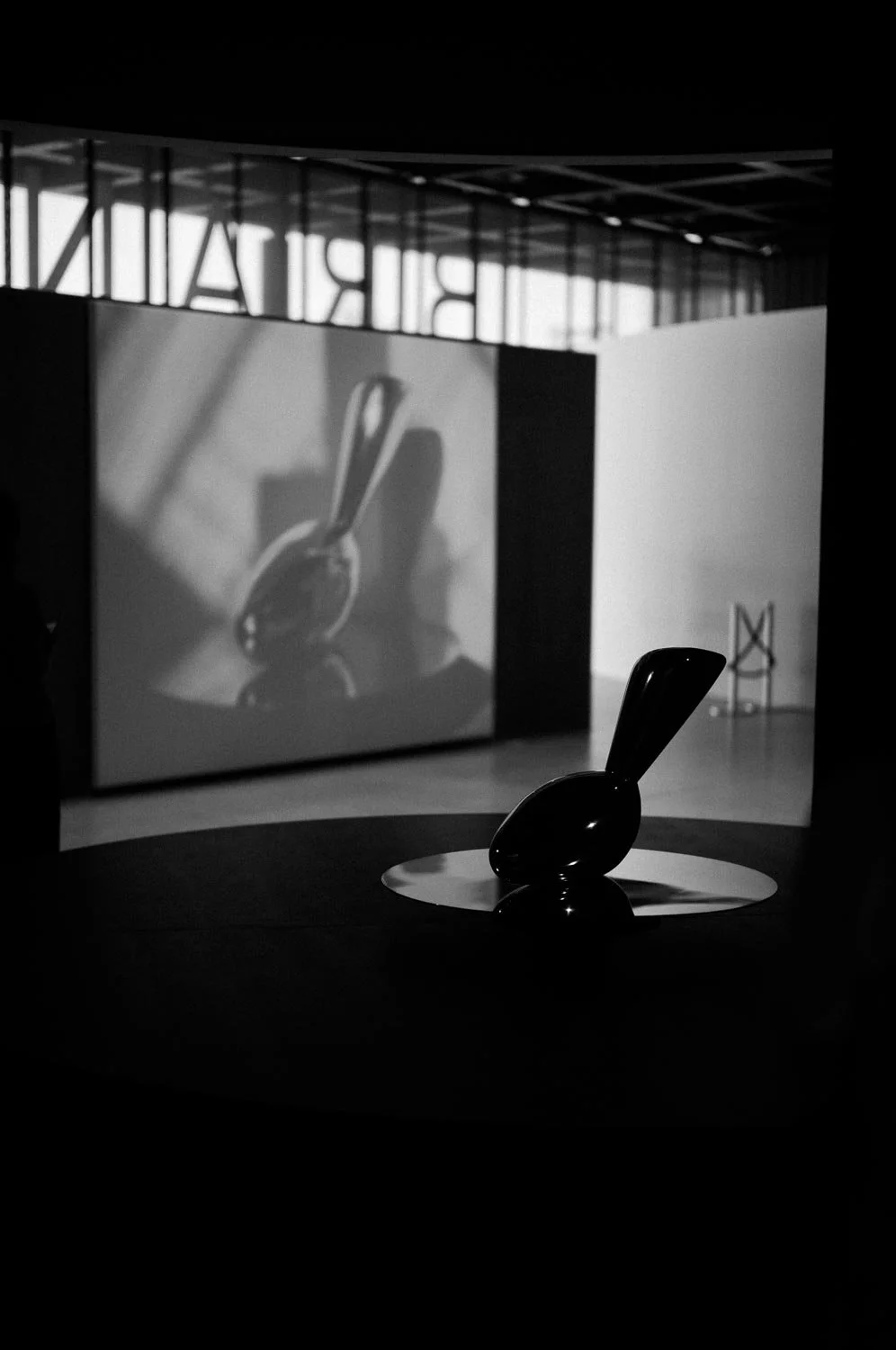
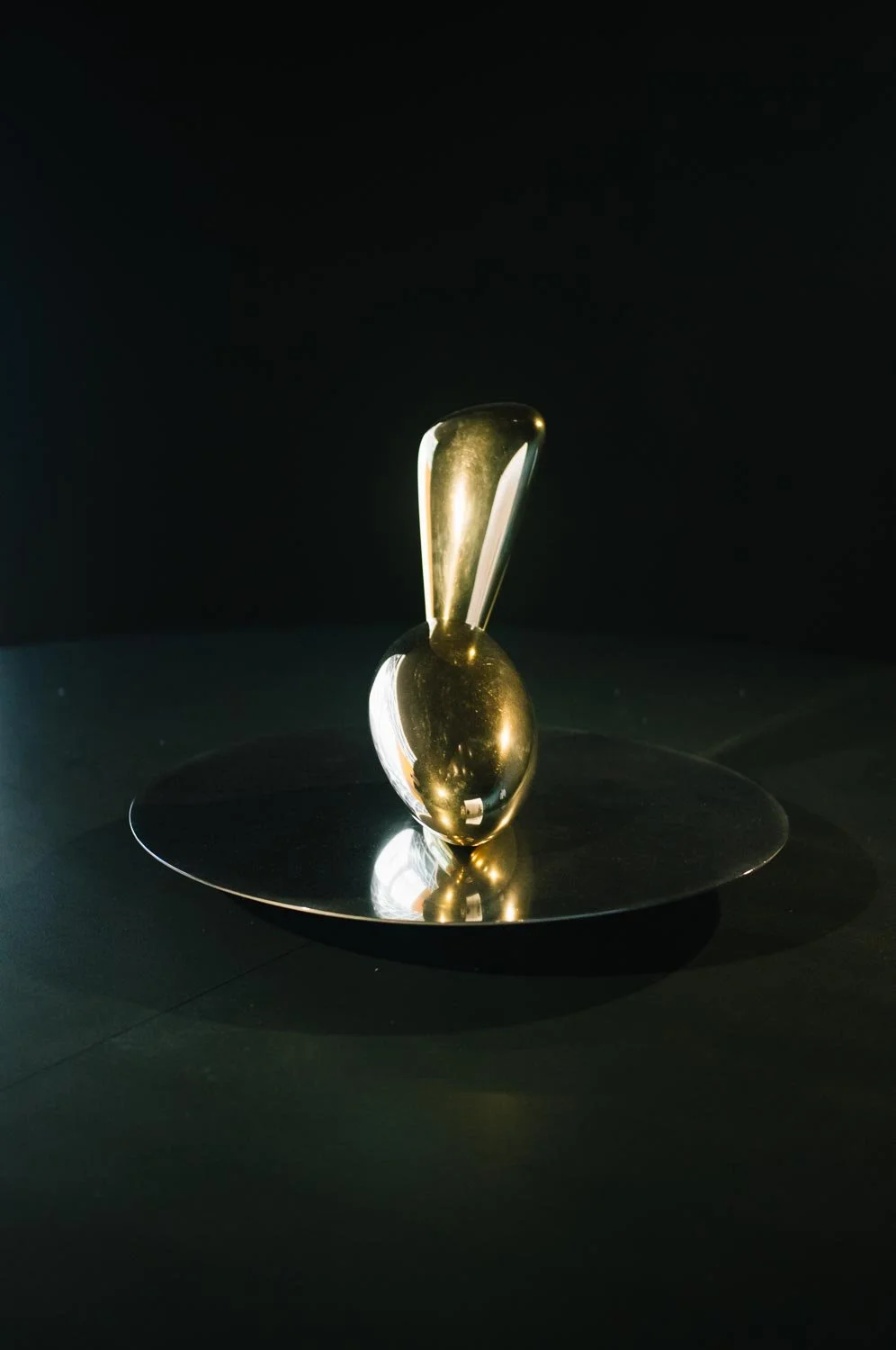
What fascinates me most about Brâncuși is not only his extraordinary craftsmanship, but the direction in which he chose to evolve. While many artists pursued ever greater realism and ornamentation, Brâncuși searched for the opposite. His work became progressively simpler, not because he wanted less, but because he wanted to reveal more. As he once said, "What is real is not the external form, but the essence of things." Every sculpture became an attempt to remove everything unnecessary until only the truth remained.
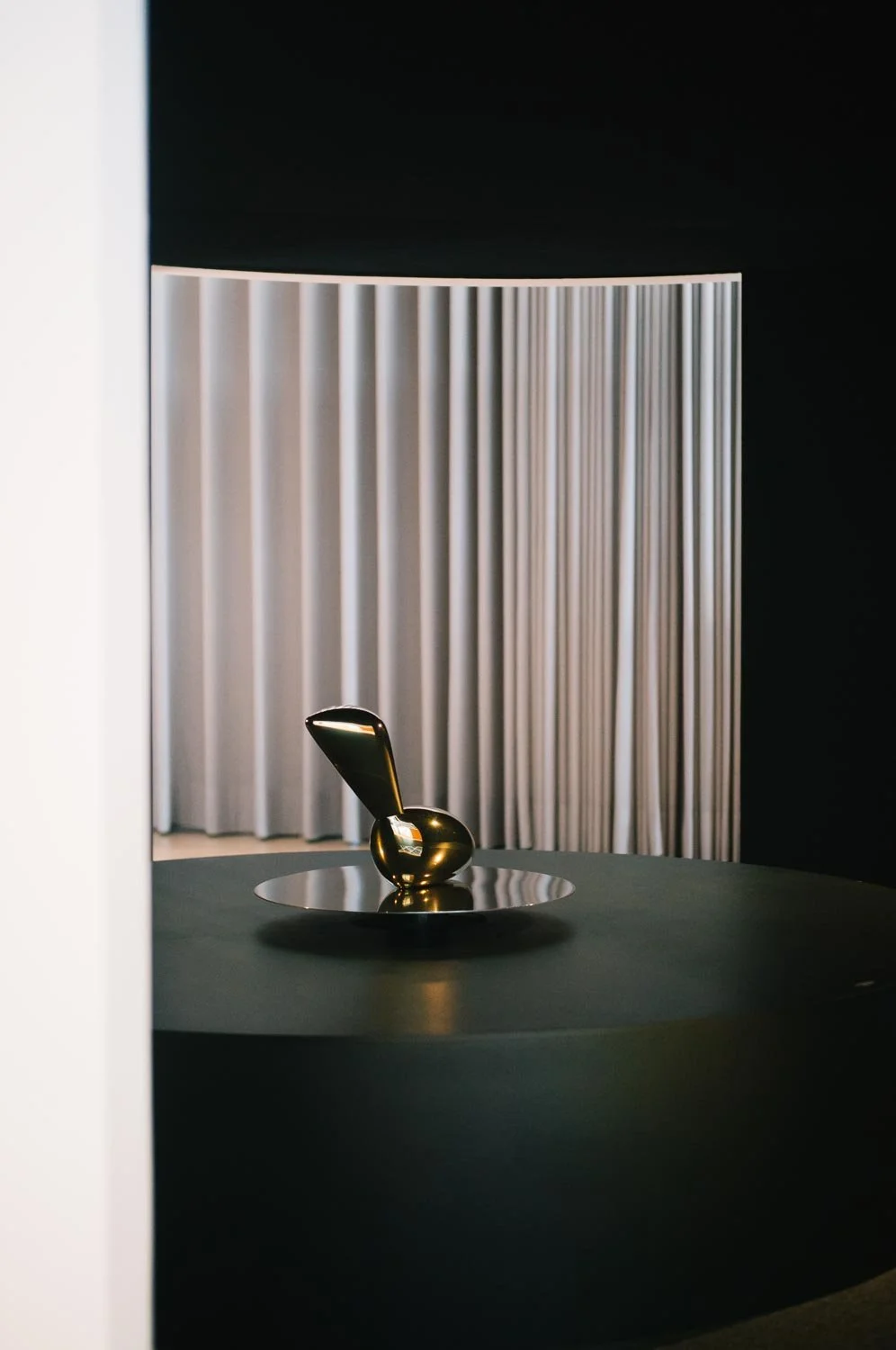
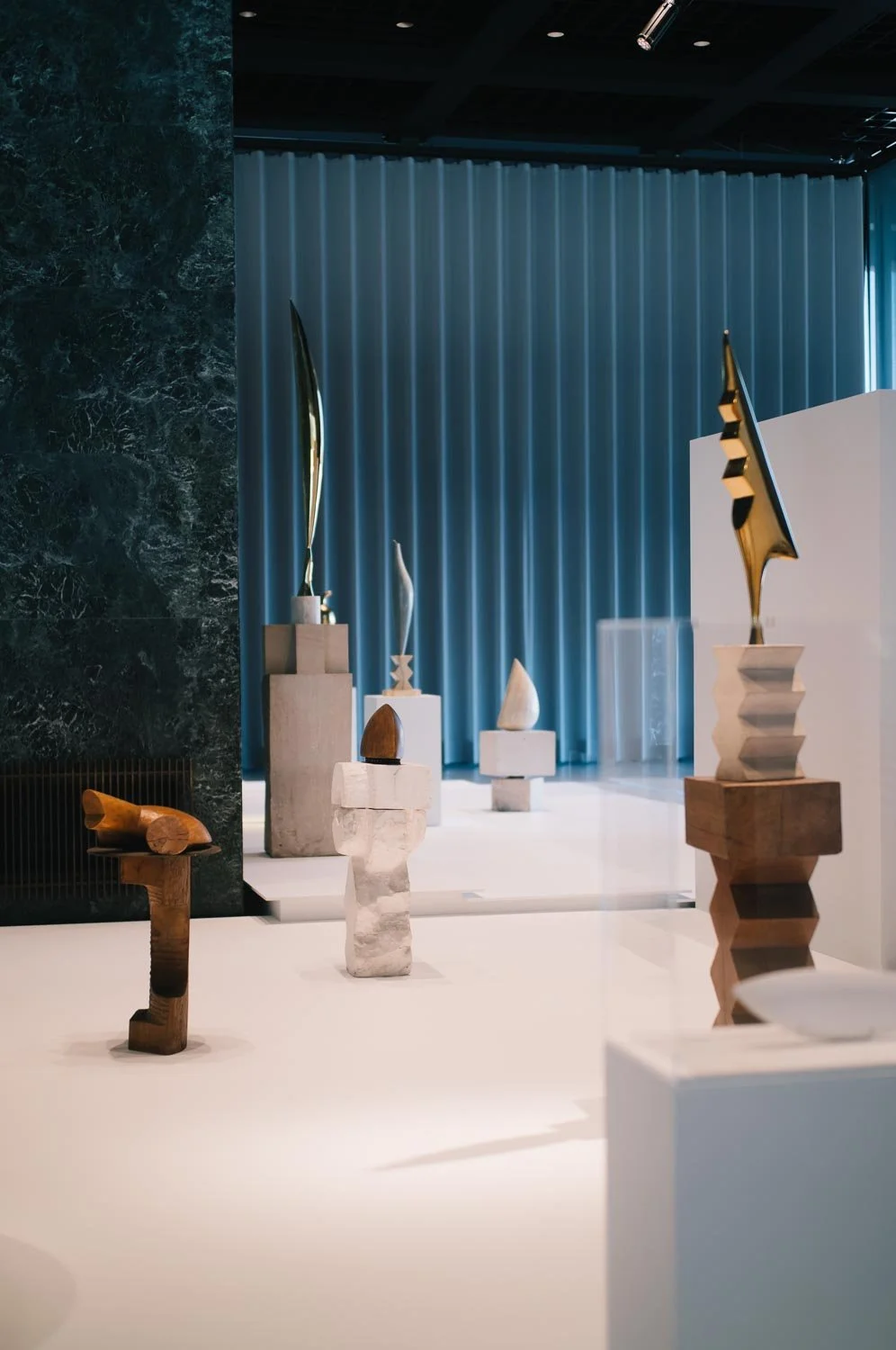
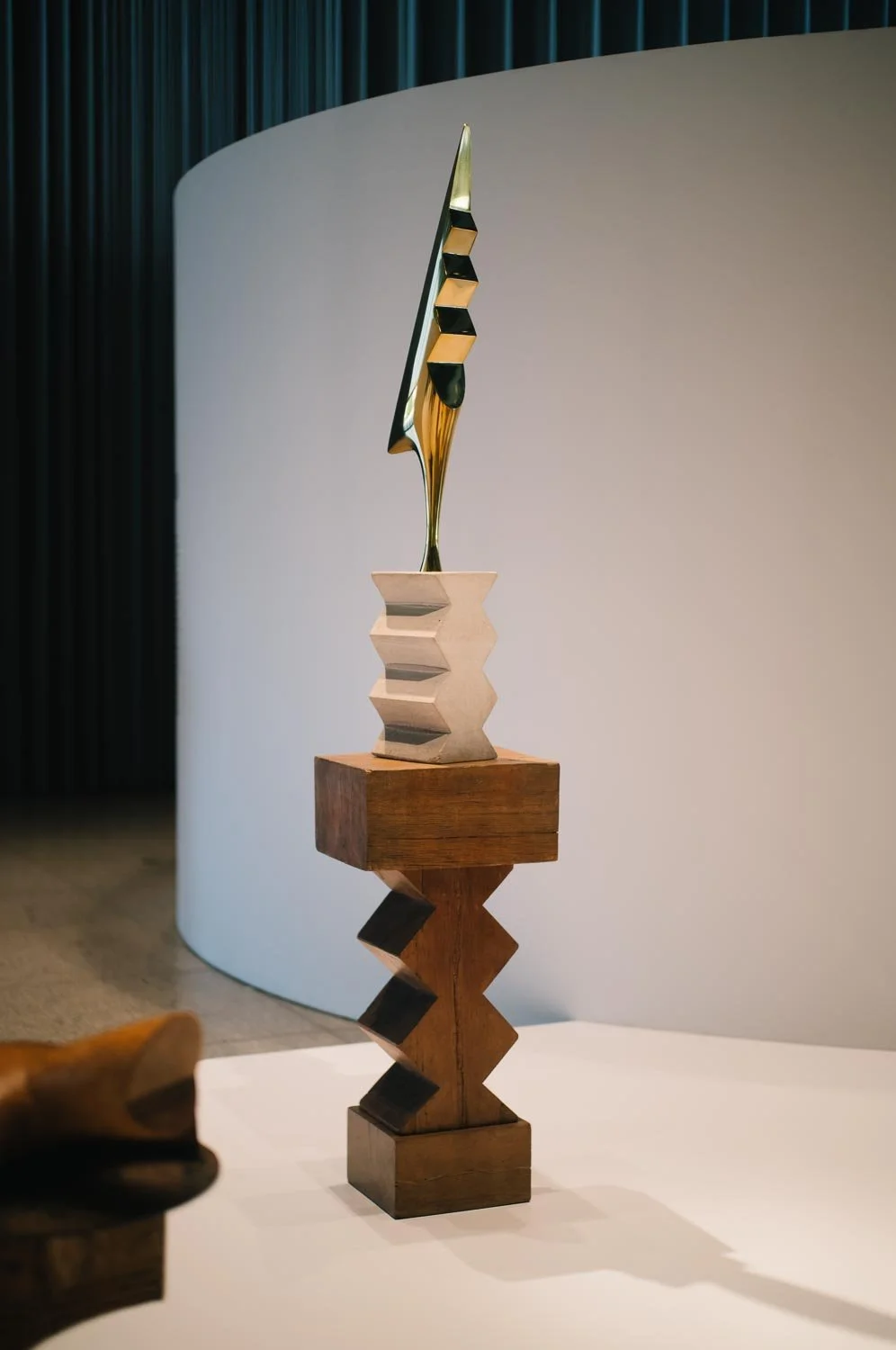
Paris eventually embraced him. His atelier became a meeting place for some of the greatest creative minds of the era, including Erik Satie, Man Ray, Marcel Duchamp, Amedeo Modigliani and many others. Brâncuși himself carefully photographed and filmed his studio, leaving behind not only remarkable sculptures, but also a rare glimpse into one of the most influential artistic spaces of the twentieth century.
Perhaps this is where my admiration becomes mixed with regret.
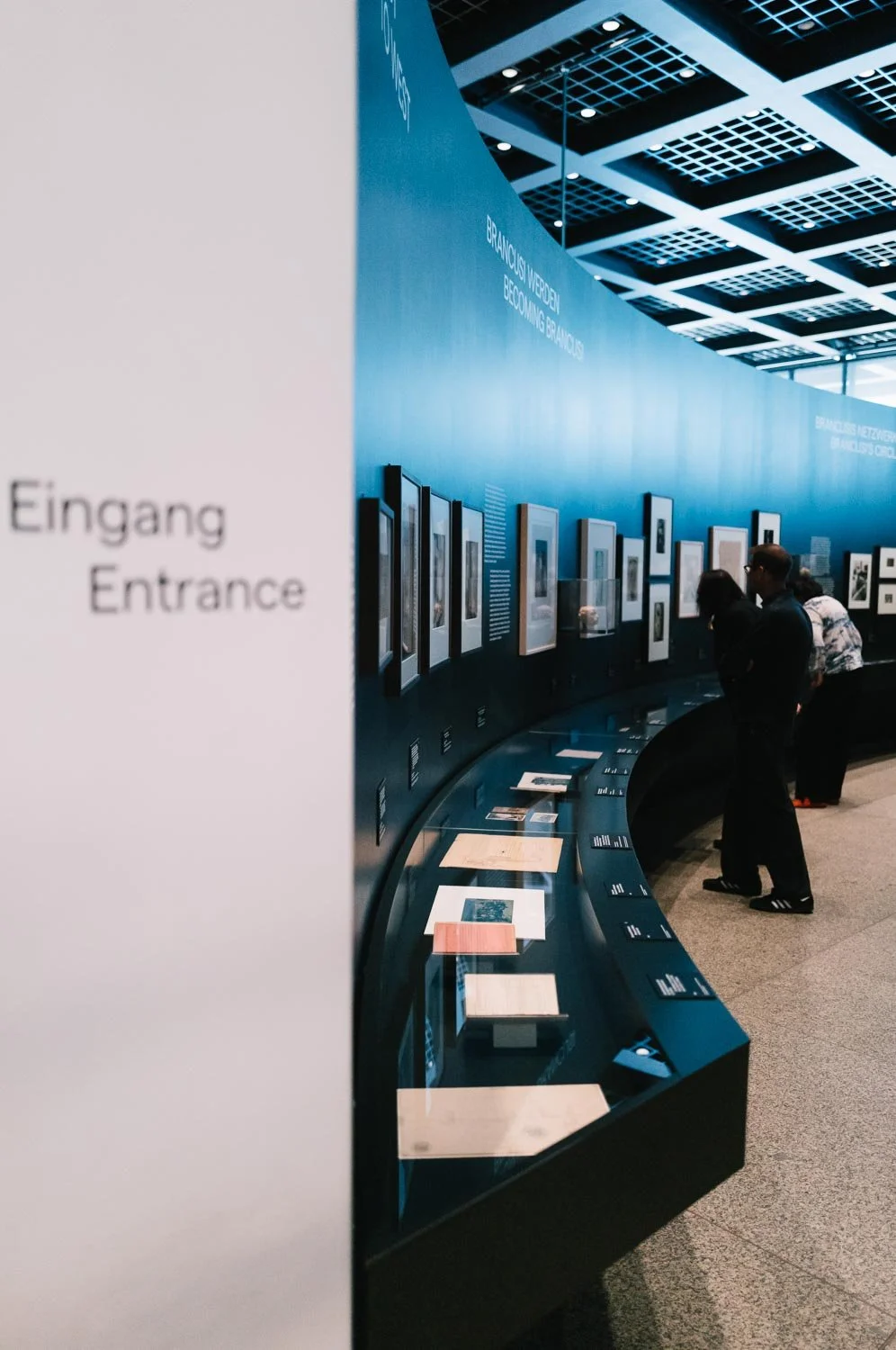
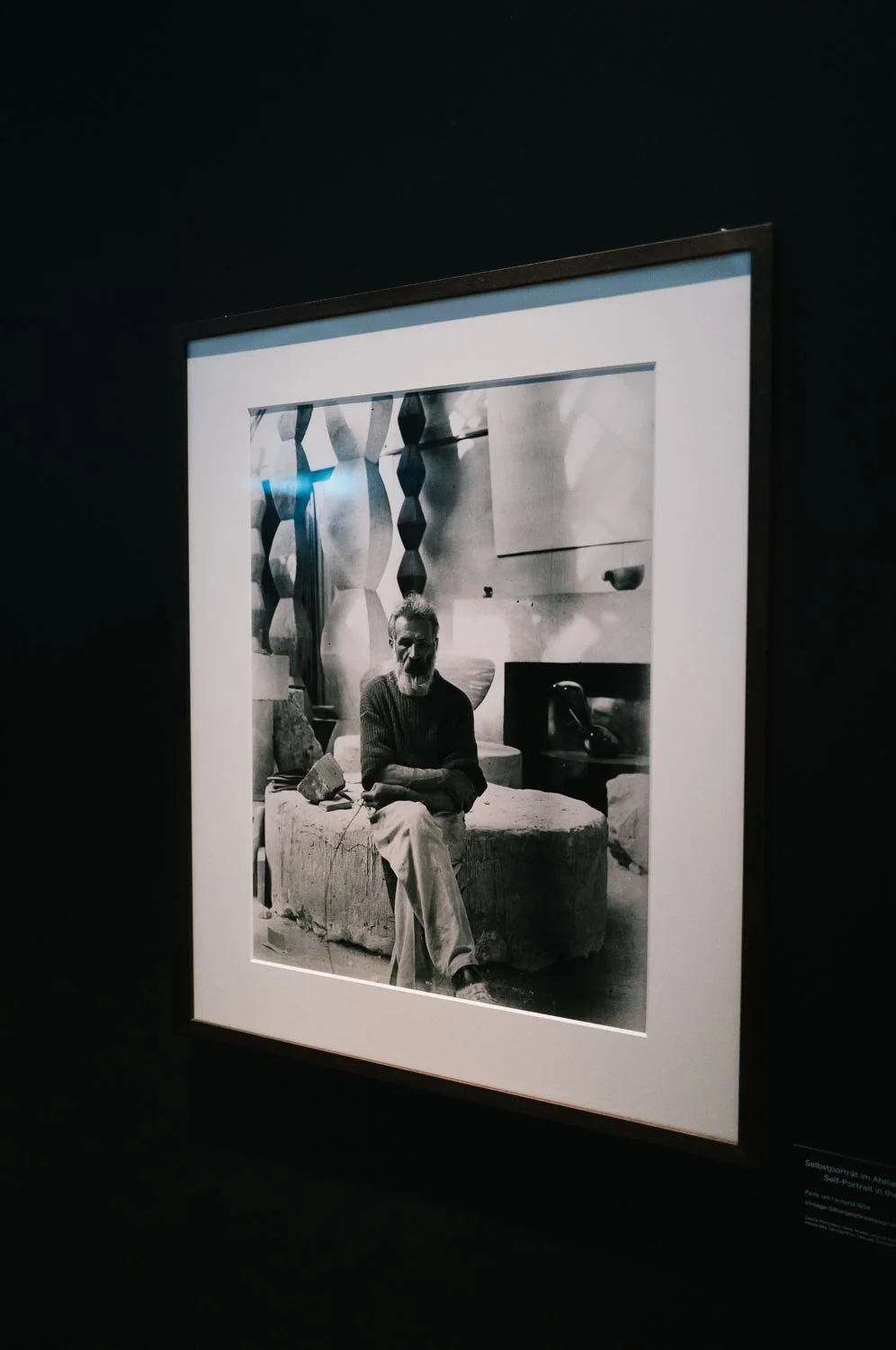
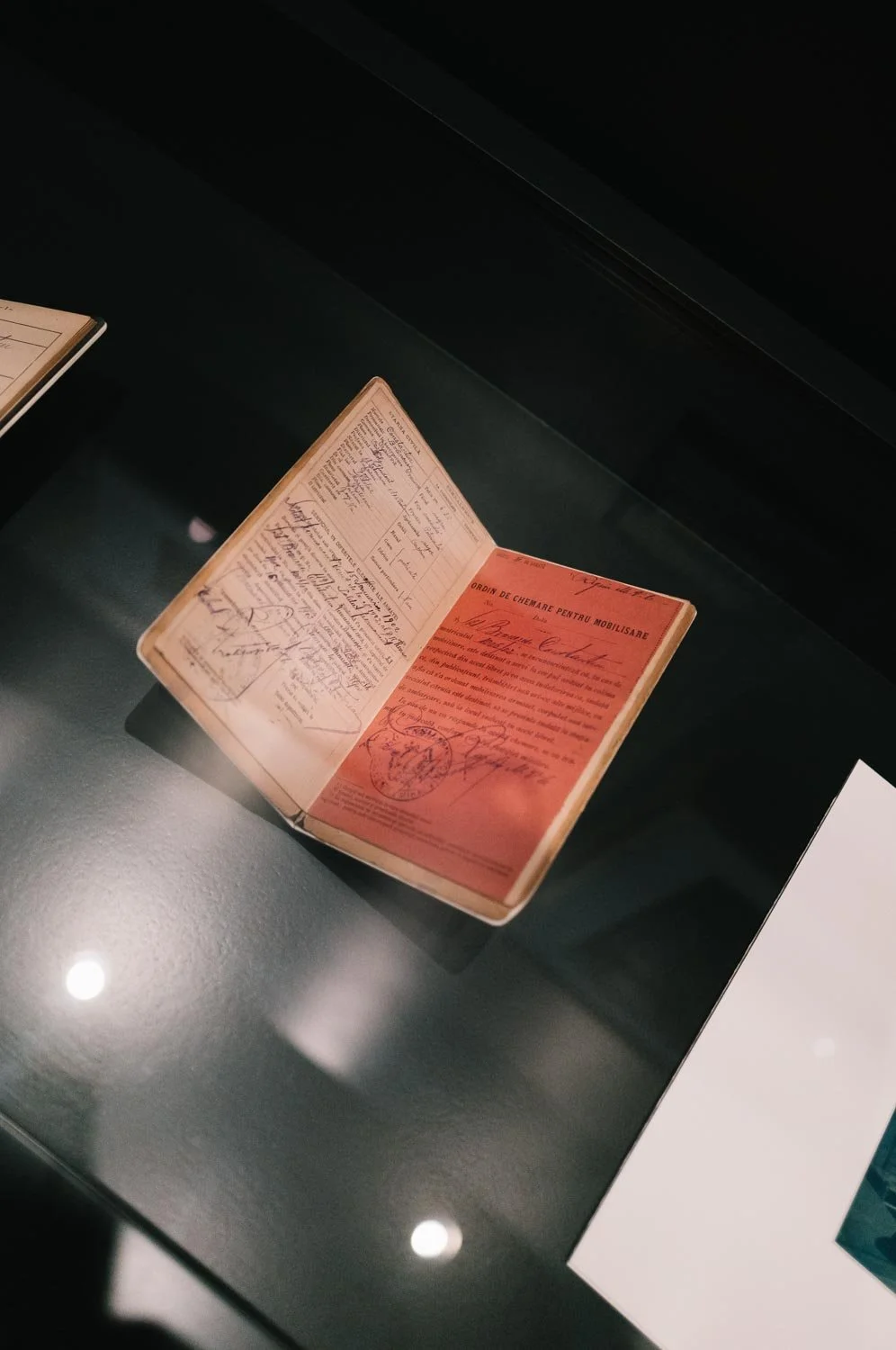
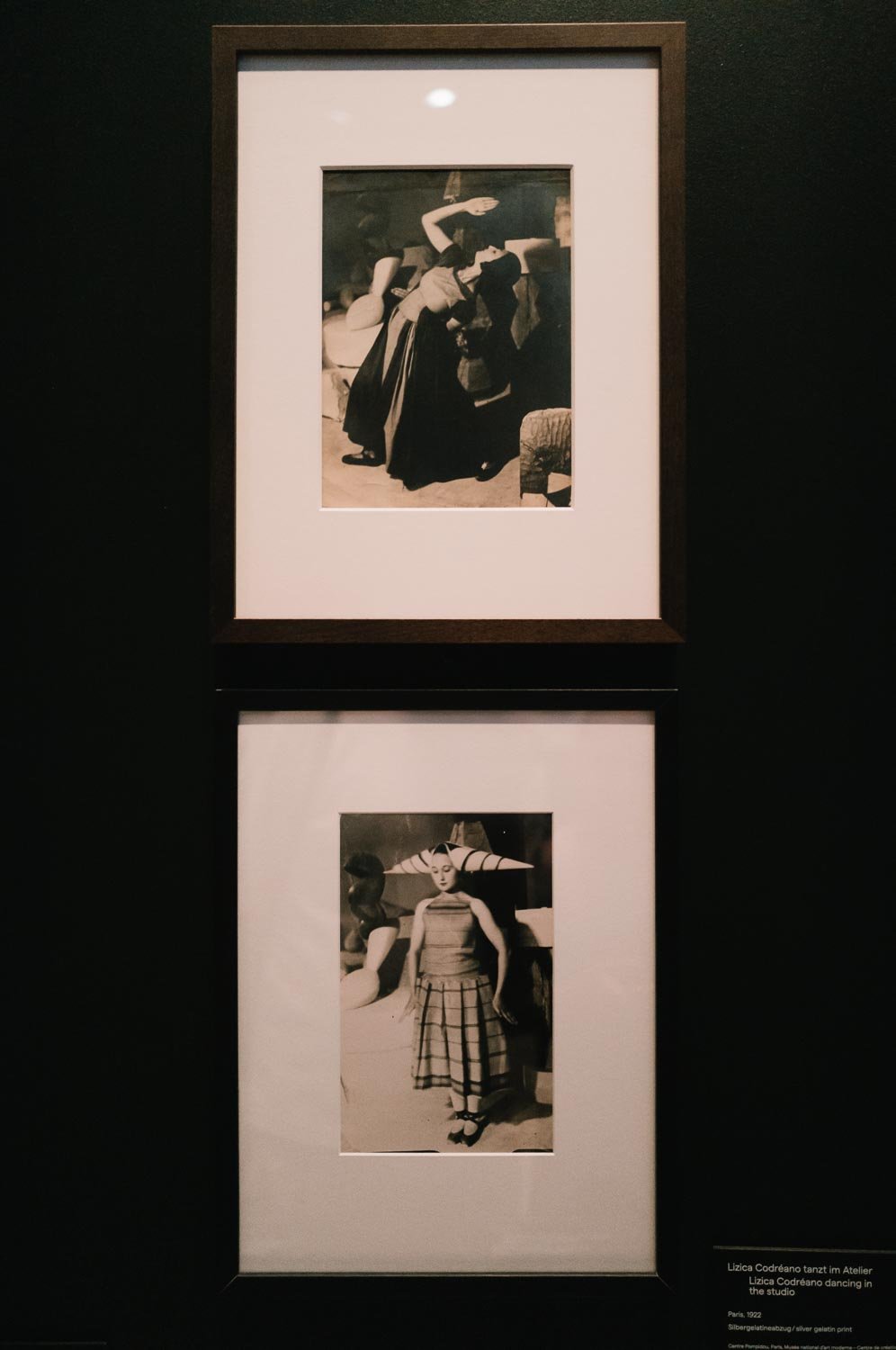
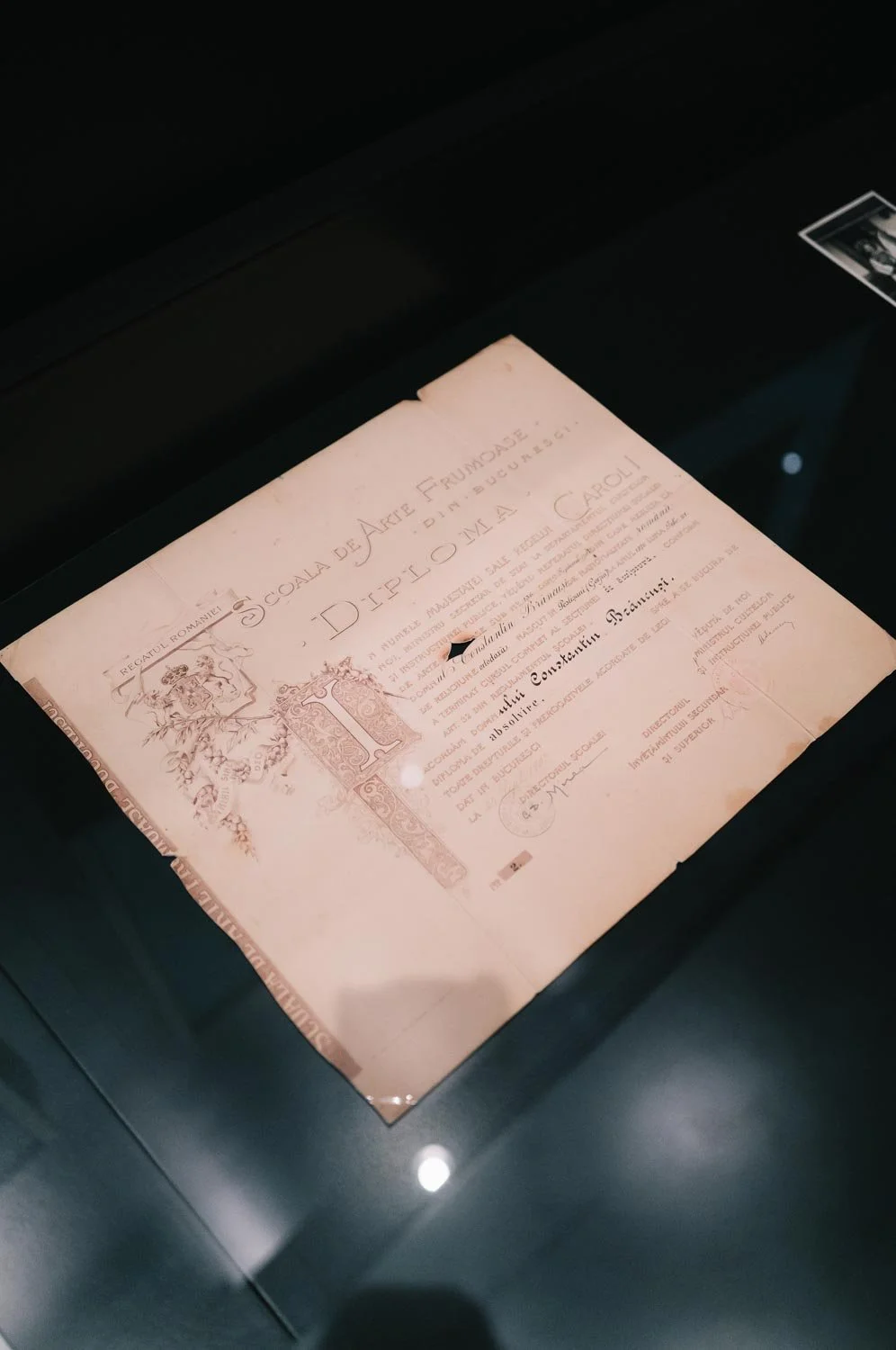
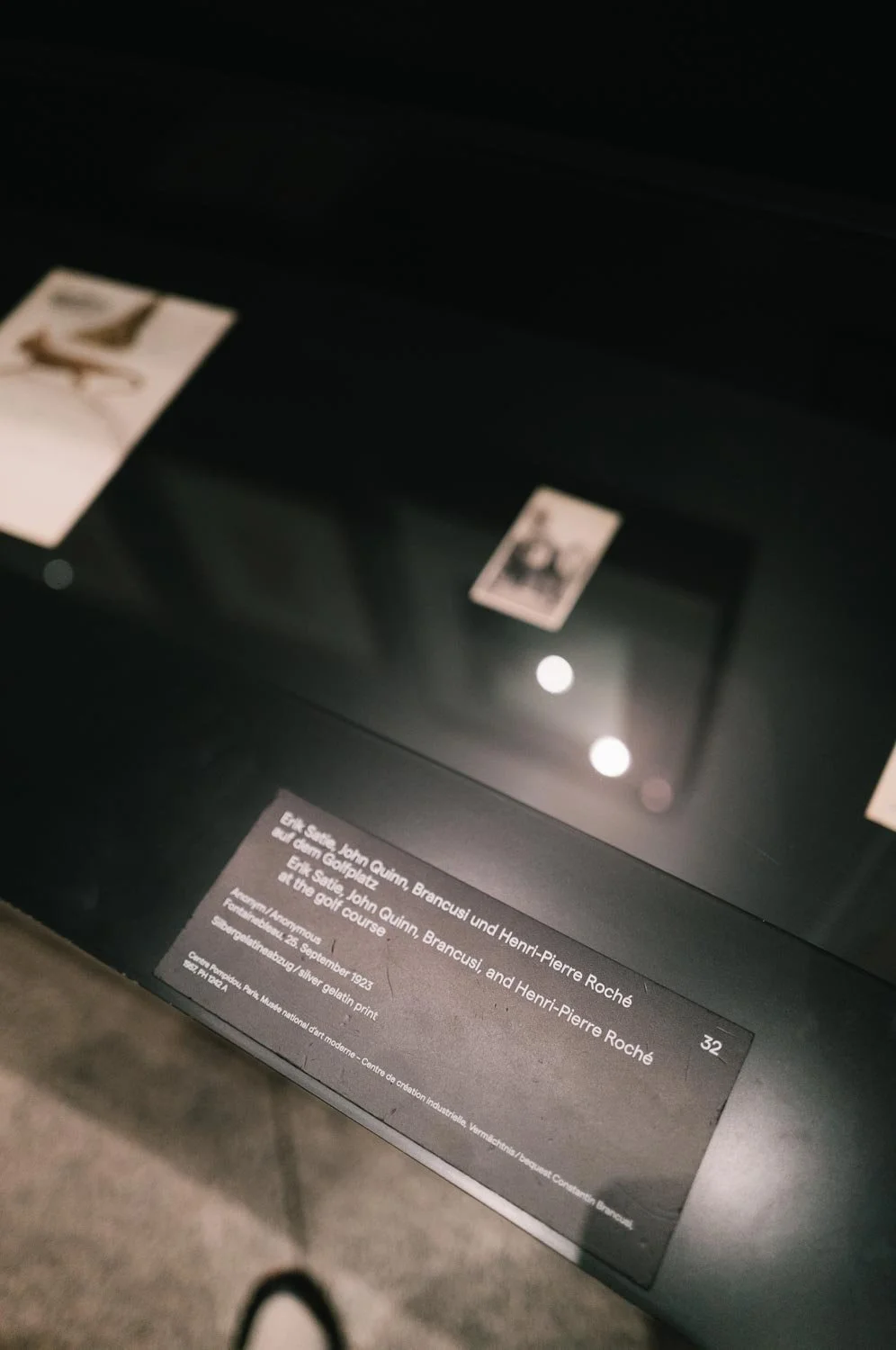
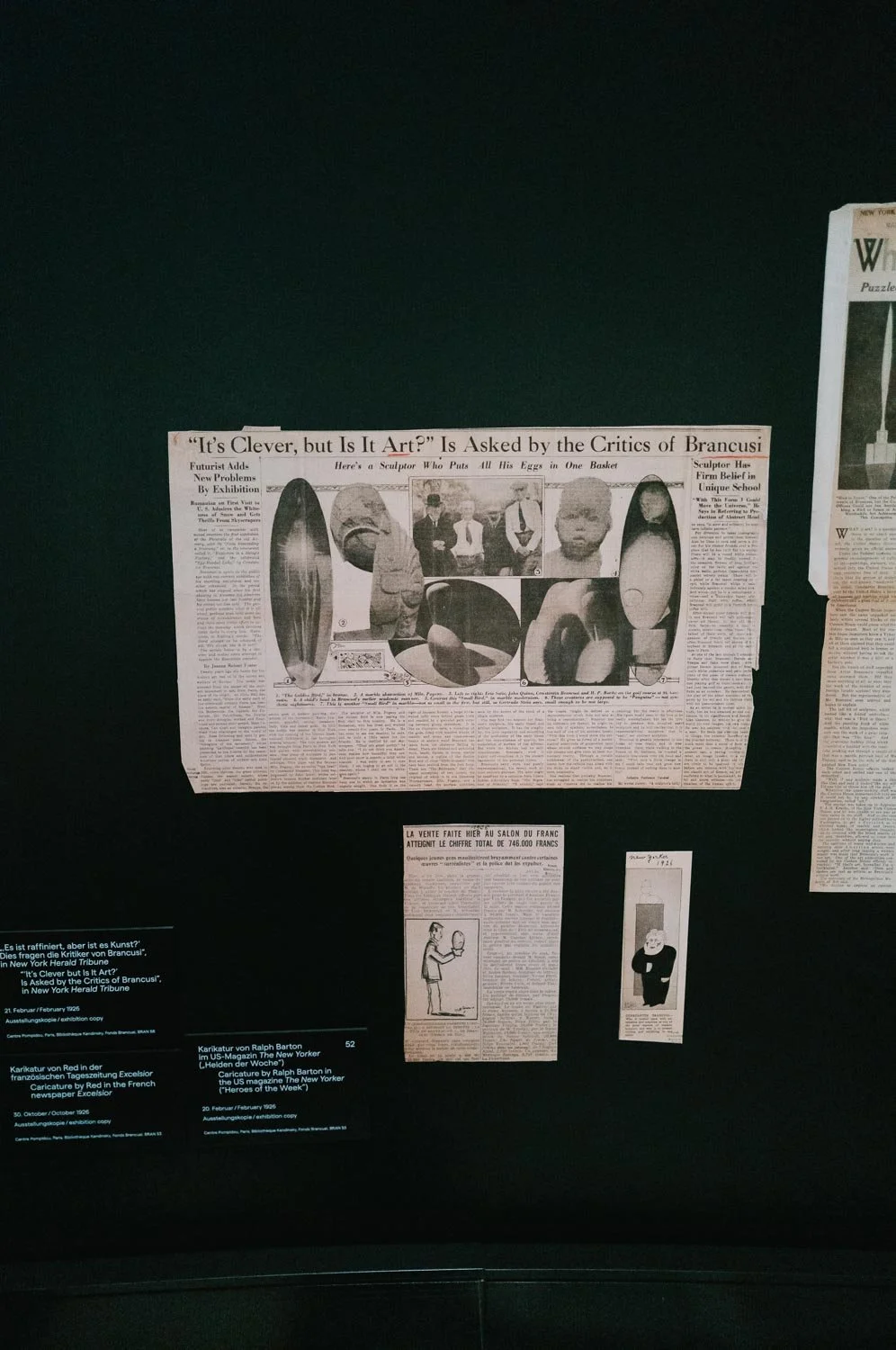
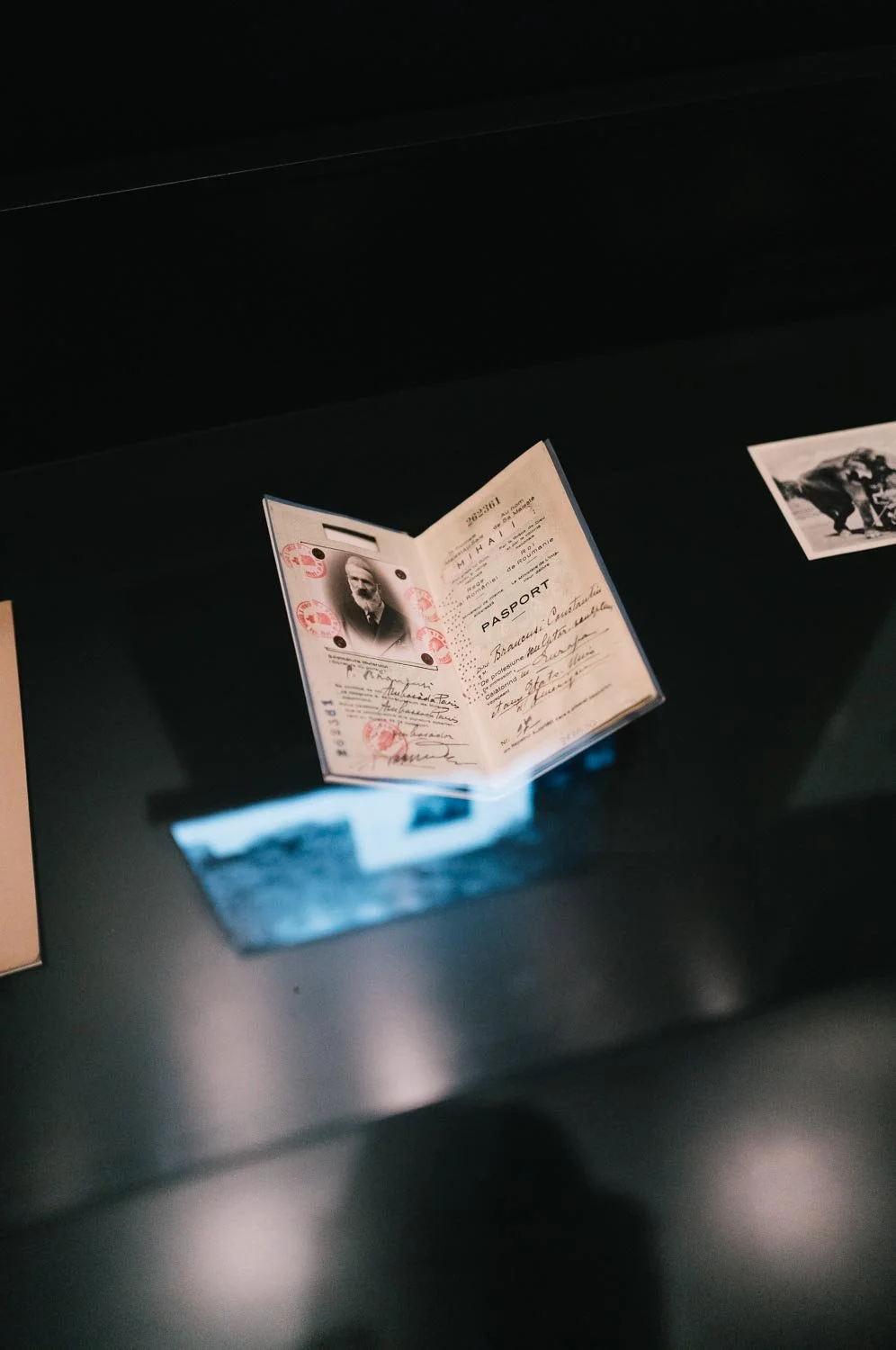
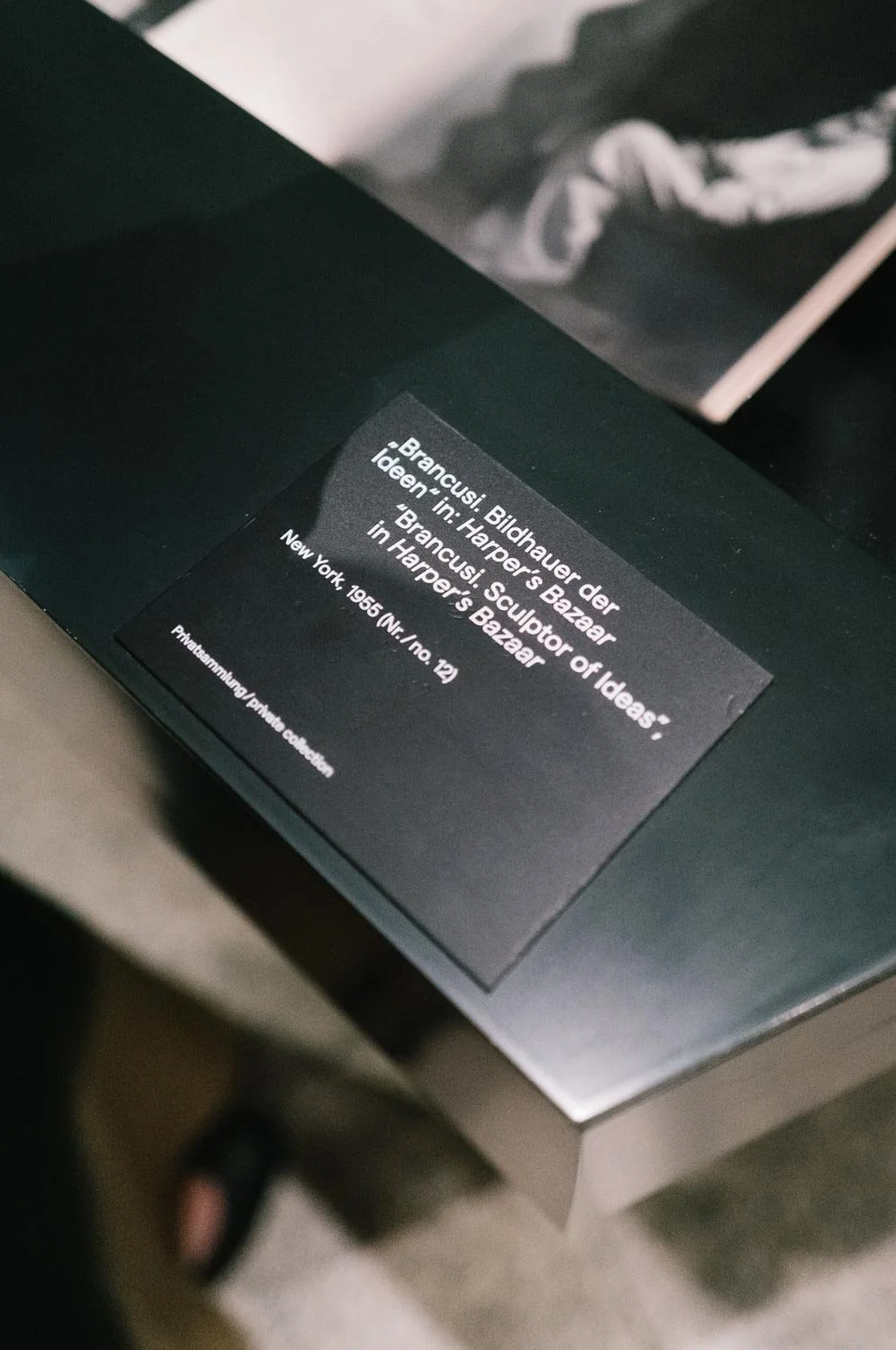
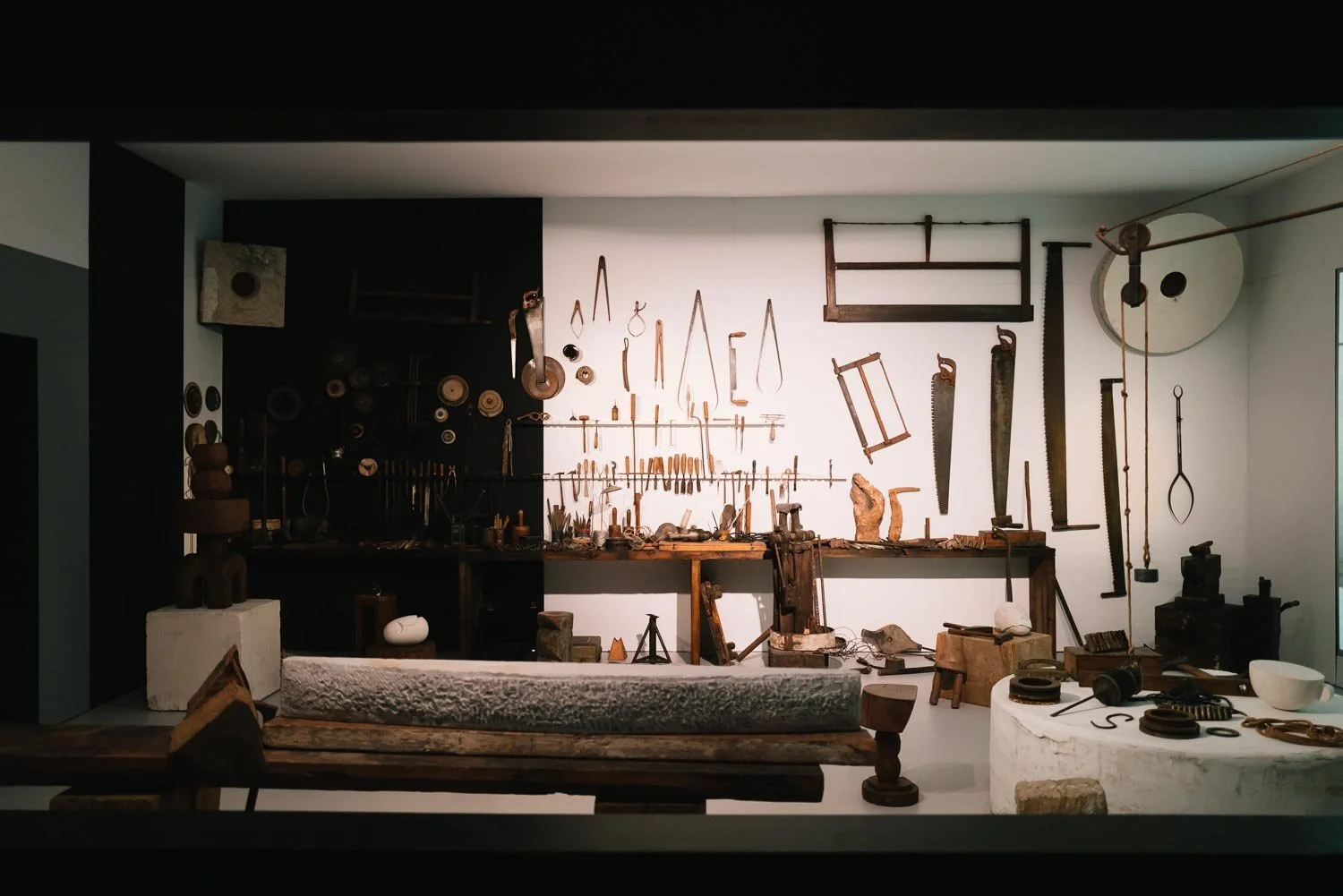
At the end of his life, Brâncuși bequeathed his atelier and everything it contained to the French state, ensuring that future generations could experience not only his sculptures, but the environment in which they were conceived. It remains one of the greatest artistic legacies ever entrusted to a nation.
Walking through the exhibition in Berlin, I was reminded that great art does not belong to one country alone. But it also reminded me that every nation has a responsibility to care for the people who shape its cultural identity while they are still here, not only after history has already decided their worth.
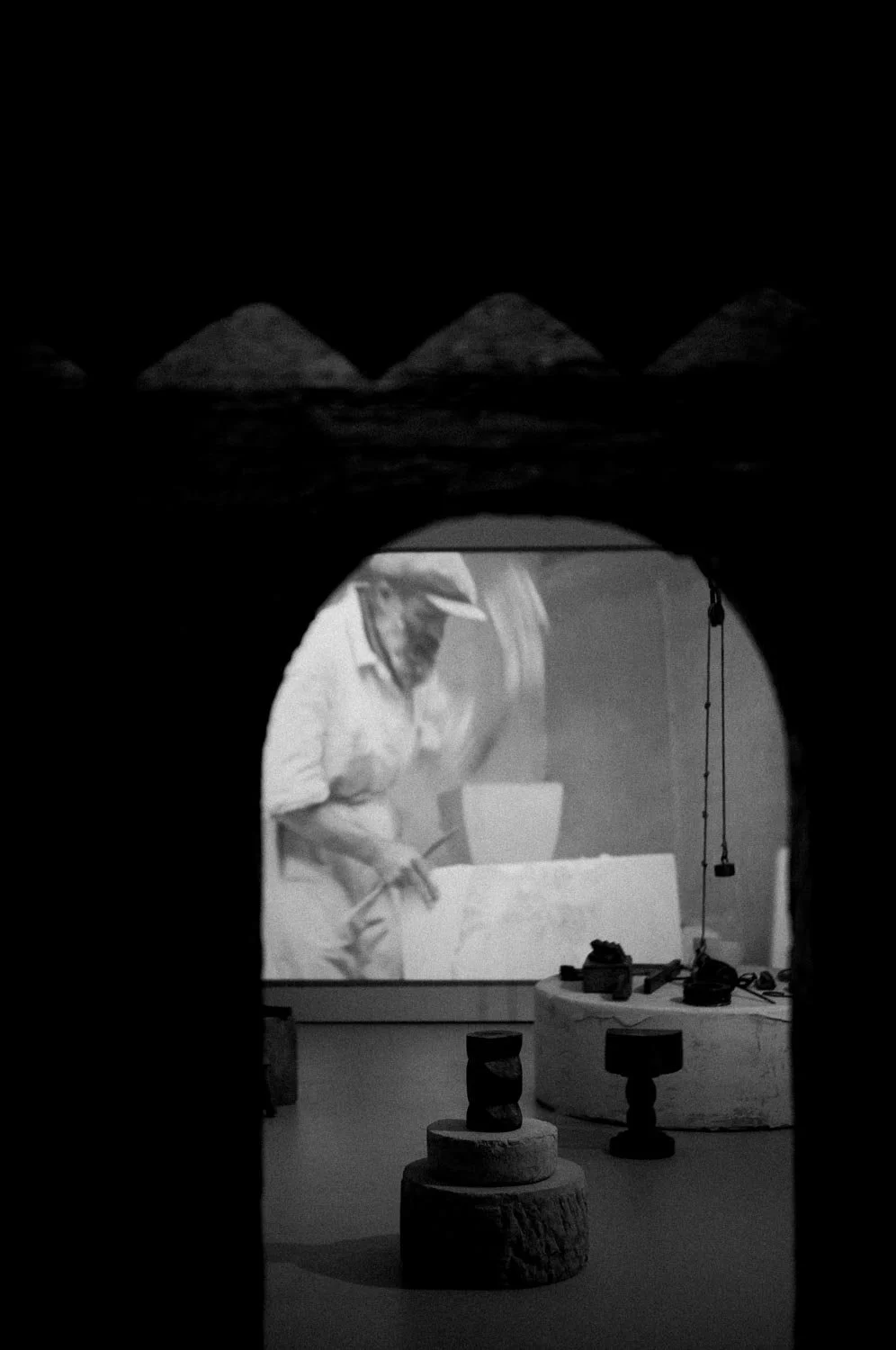
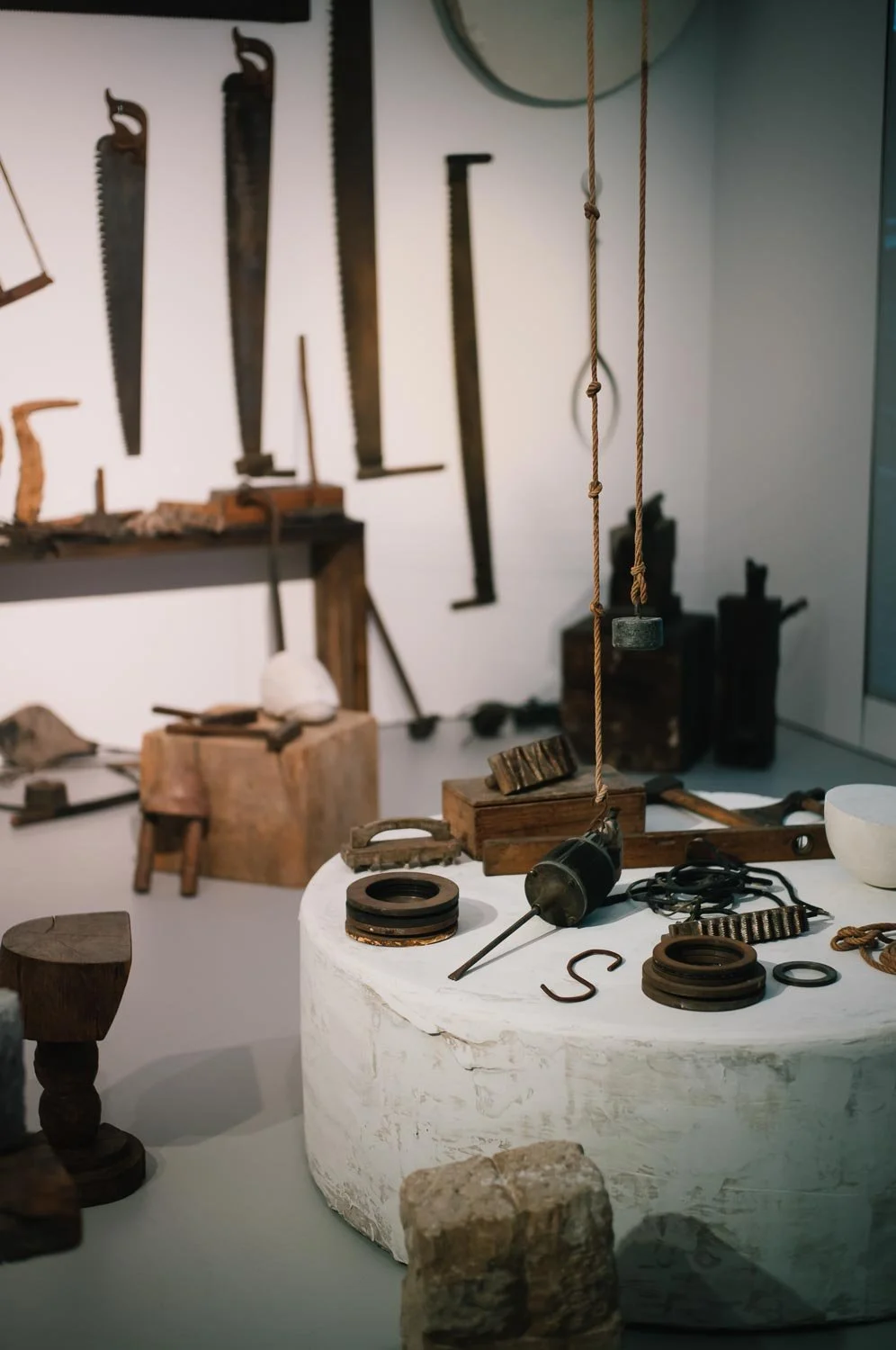
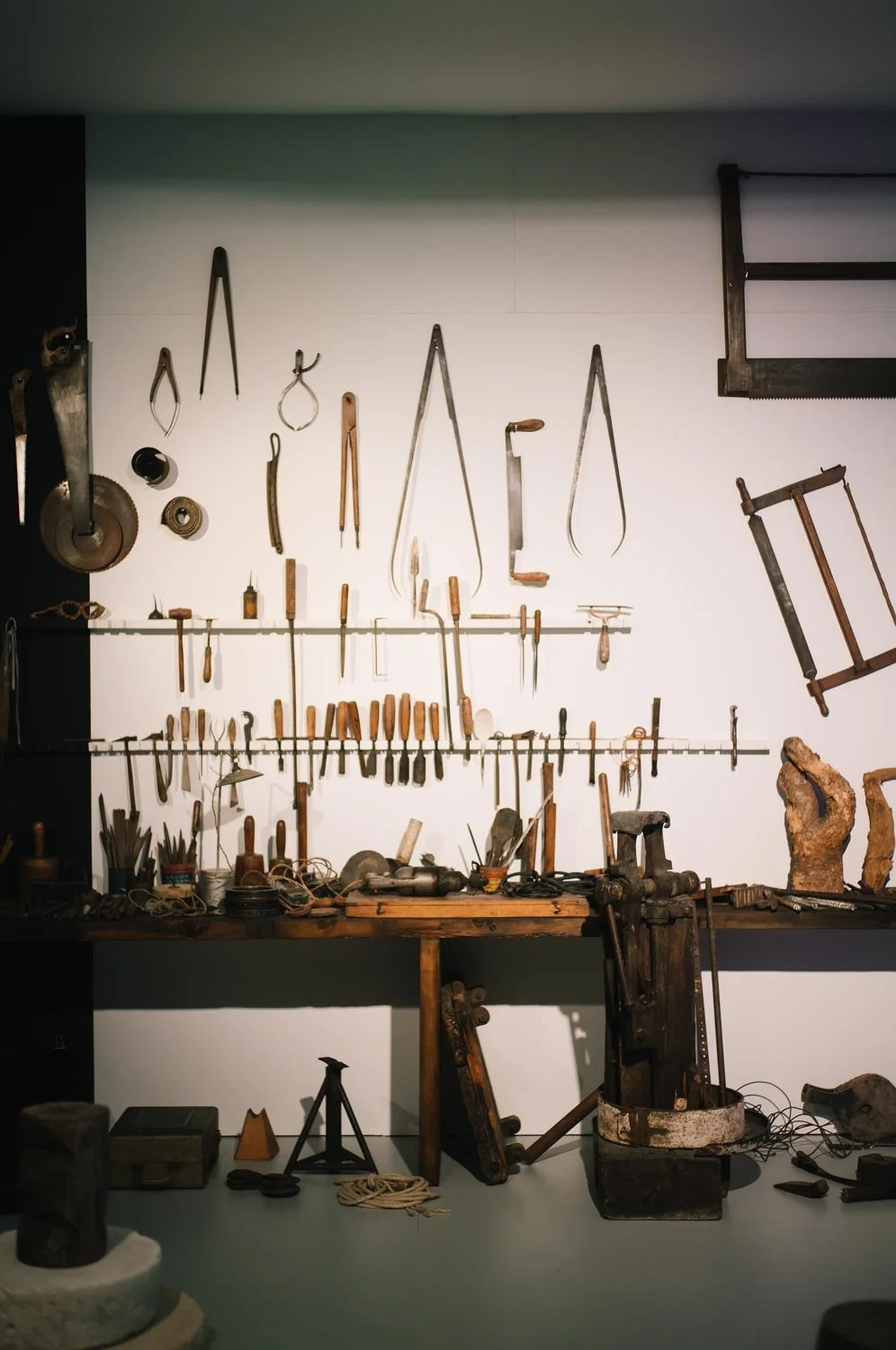
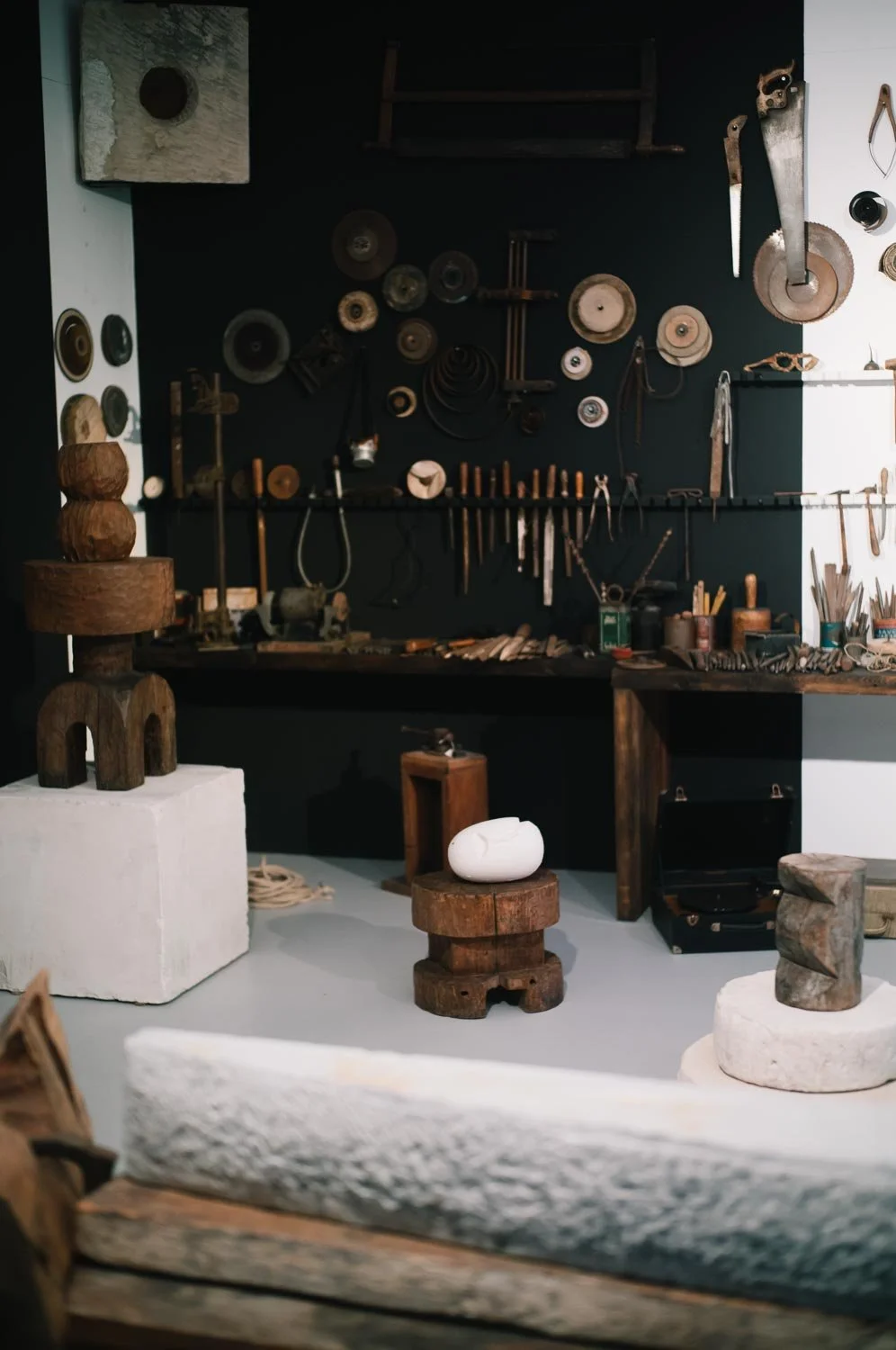
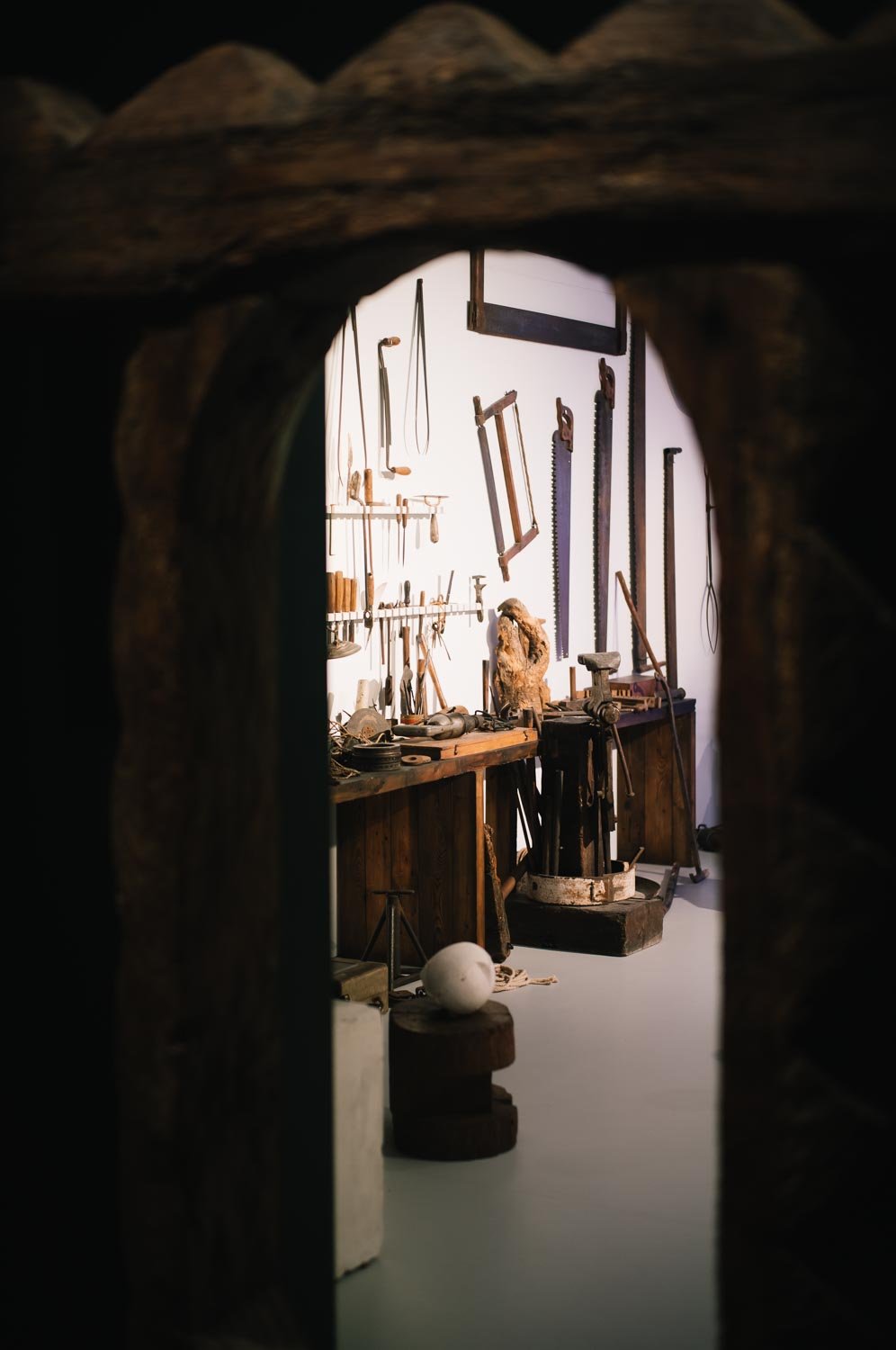
All photographs accompanying this article were captured on Leica cameras during a personal visit to the exhibition. No flash or additional lighting was used.
Photography Notes:
Location: Neue Nationalgalerie, Berlin
Camera: Leica M11, Leica Q2
Lens: Summilux-M 1:1.4/50 asph.; Summilux 1:1.7/28 asph.
Light: Available light only
Post-processing: Adobe Lightroom Classic
Enjoyed this story?
If you appreciate my photography, stories, and the experiences I share, you can support my work with a coffee.
Thank you for supporting independent creativity.